
EU Implements De-facto Ban on 5-Year Non-Biometric Russian Passports

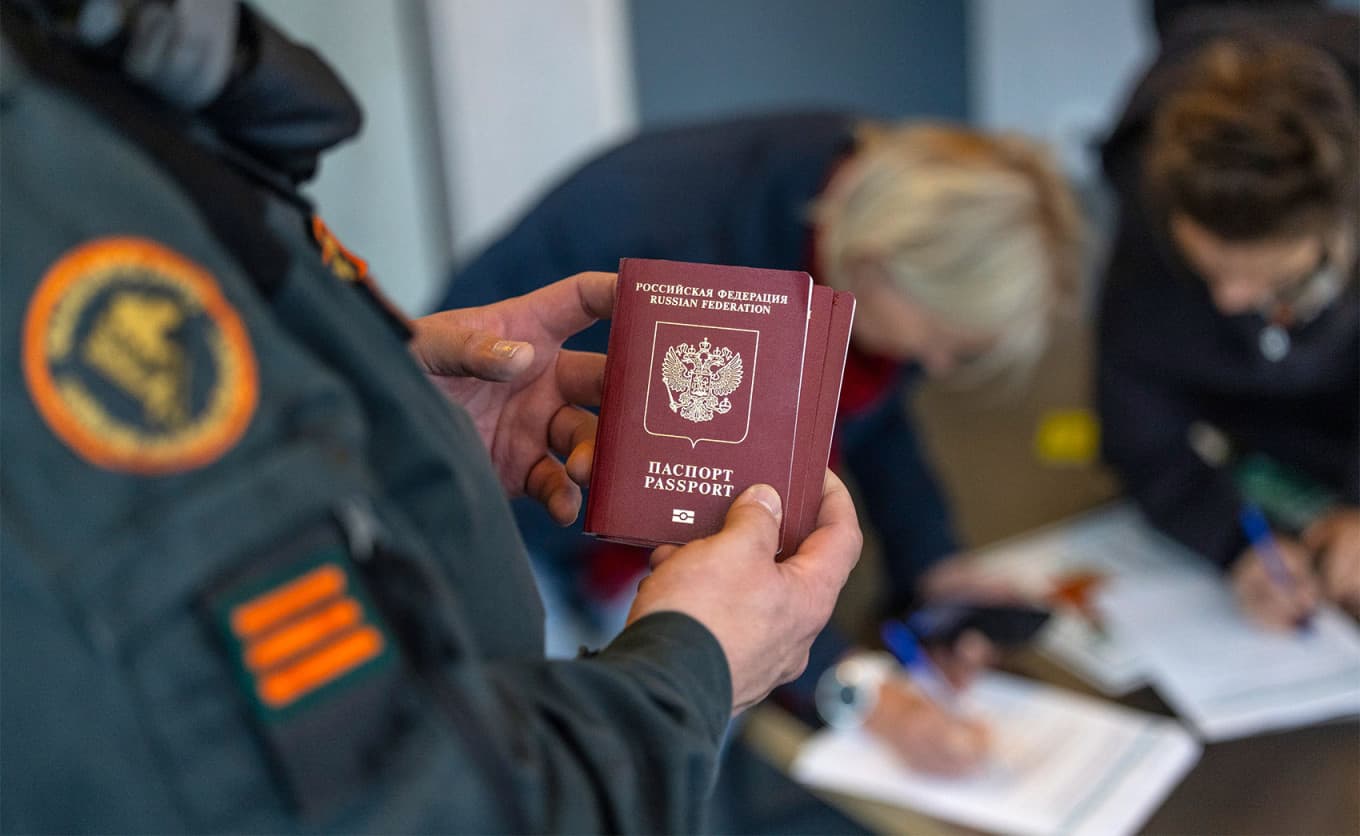
Schengen countries have officially synchronized the non-recognition of 5-year Russian passports. Only 10-year biometric documents are now valid for travel.
Schengen Member States Synchronize Non-Recognition of 5-Year Non-Biometric Russian Passports
As of February 10, 2026, Schengen member states have officially synchronized their policies regarding the non-recognition of Russian passports issued without an embedded electronic chip. This coordinated move effectively bars holders of 5-year non-biometric passports from obtaining visas or entering the Schengen Area. The transition marks a significant shift in European border policy, standardizing security requirements for Russian citizens across all member territories.
Overview
The policy change represents a unified stance among European Union and Schengen Area countries to phase out the acceptance of older, non-biometric travel documents from the Russian Federation. While several member states had previously implemented individual restrictions or warnings, the synchronization ensures a uniform application of the rule at all external borders and consular offices. The central issue identified by authorities is the lack of an electronic chip in the 5-year passport model, which prevents the document from being used with modern automated border control systems and enhanced digital security verification.
Impact on Travelers
The most immediate consequence of this synchronization is the total ineligibility for Schengen visa applications for any individual presenting a 5-year Russian passport. Consular sections across the Schengen Zone have been instructed to no longer accept these documents for processing.
Furthermore, the impact extends to those who already possess valid Schengen visas. Reports indicate that in many jurisdictions, existing visas contained within 5-year non-biometric passports are no longer recognized as valid for entry. Travelers attempting to cross Schengen borders with these documents face potential entry denials, even if their visa has not yet expired. Consequently, holders of 5-year passports must obtain a 10-year biometric passport to maintain or regain their ability to travel to the region.
Key Details
The following specifications define the current regulatory environment:
- Effective Date: February 10, 2026.
- Affected Documents: Russian international passports with a 5-year validity period (identifiable by the lack of an electronic chip symbol on the cover).
- Visa Processing: All Schengen consulates have ceased issuing visas to holders of non-biometric passports.
- Entry Restrictions: Entry is restricted for non-biometric passport holders, regardless of whether they hold a previously issued, valid visa.
- Biometric Requirement: Only the 10-year Russian passports, which contain an electronic chip and biometric data (digital photo and fingerprints), remain eligible for Schengen travel.
Context
This measure follows a multi-year trend toward increasing digital security and standardized travel documentation within the European Union. Officials have stated that the decision is rooted in security protocols, as non-biometric passports are considered more susceptible to tampering and do not allow for the same level of identity verification as chip-enabled documents. By synchronizing these rules, the Schengen states have closed previous discrepancies where travelers might have entered through a member state with more lenient documentation requirements.
Looking Ahead
The shift to a unified non-recognition policy suggests a permanent change in how Russian travel documentation is handled by European authorities. As the Schengen Area continues to implement the Entry/Exit System (EES), the requirement for chip-enabled passports is becoming a technical necessity for all third-country nationals. Travelers currently holding 5-year passports are likely to experience a surge in demand and potential processing delays at Russian administrative centers as they seek to upgrade to biometric versions.
The synchronization of non-recognition for 5-year Russian passports marks a critical development in European border policy. By prioritizing biometric security, the Schengen states have established a clear framework for future travel, emphasizing that only modern, chip-enabled documents will be permitted for transit and entry into the zone.
Latest News


Duma Proposes Opt-Out for International Calls
Russia updates its anti-fraud bill to allow mobile users a choice in blocking international calls. Landlines face stricter defaults to protect elderly citizens from phone scams.
February 23, 2026
EU Proposes Total Ban on Russian Crypto
The EU moves to block all Russian cryptocurrency transactions. This plan targets digital backdoors used to bypass sanctions. New rules affect exchanges and private wallets.
February 17, 2026
Russia Ready to Resume Direct US Flights
Russia signals its willingness to reopen direct air travel with the United States. Rosaviatsiya demands safety guarantees and the lifting of specific sanctions for flights to return.
February 16, 2026
Lithuania to Boost Kaliningrad Train Security
Lithuania seeks EU funding to eliminate security gaps in Kaliningrad rail transit. New high-tech cameras and sensors monitor Russian trains crossing the border.
February 10, 2026
EU Proposes New Sanctions as Peace Deadline Looms
The European Commission targets Russia's energy and finance sectors in a new sanctions wave. This move aligns with a potential June deadline for peace negotiations.
February 7, 2026
EU Adds Russia to Money Laundering Blacklist
The European Union implements financial oversight as Russia joins the high-risk money laundering blacklist. Banks now enforce enhanced due diligence for all transactions involving Russian entities.
February 4, 2026