
Complete Guide to Russian Visas in 2026

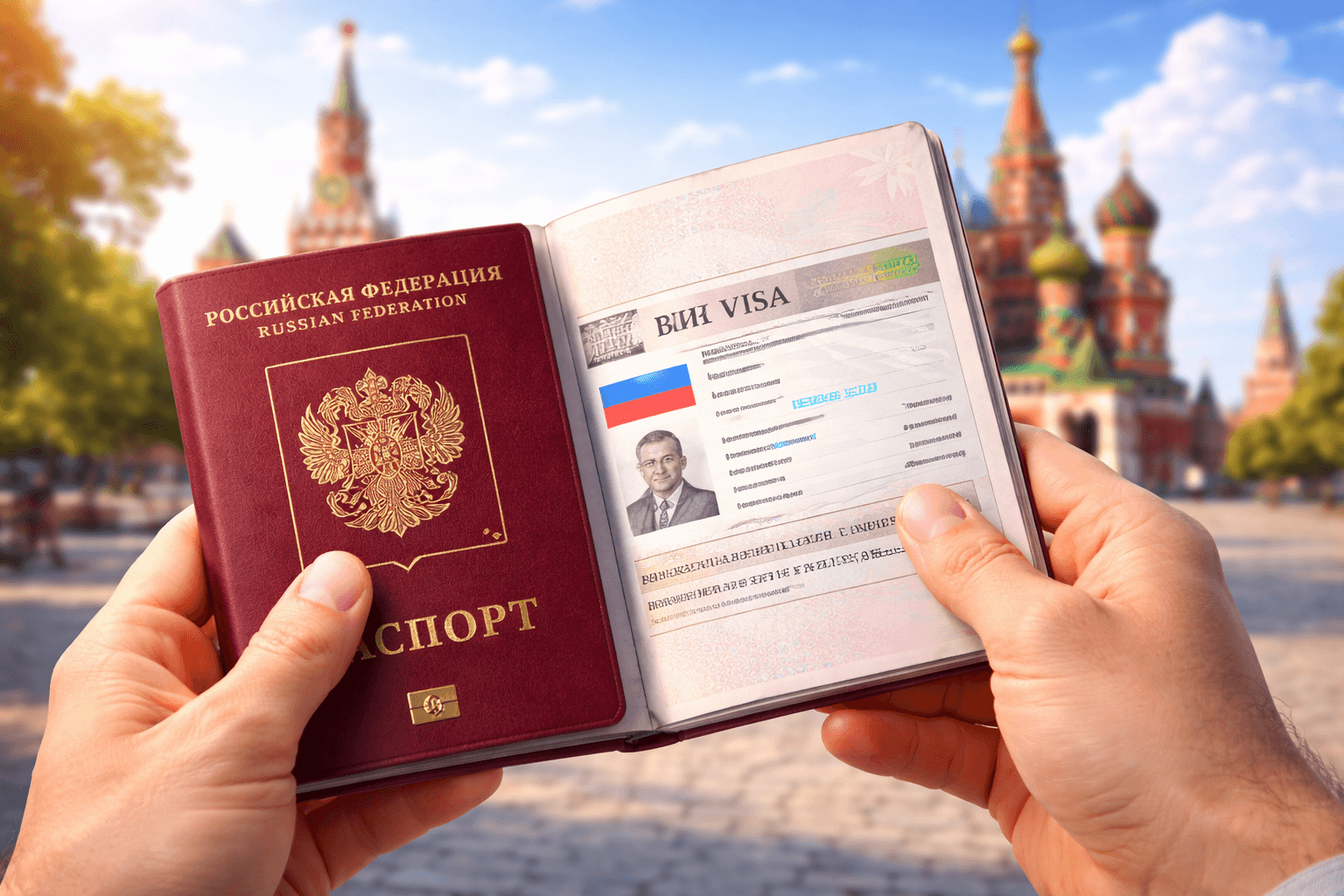
Learn about the requirements, application steps, processing times, and common mistakes to avoid when applying for a visa to Russia.
Types, Requirements, and Electronic Visa Costs
Russia’s visa system in 2026 includes several visa categories depending on the purpose of travel, length of stay, and nationality of the visitor. While most visas are still issued as traditional paper visas through Russian embassies and consulates, Russia has also expanded its unified electronic visa (e-visa) system, offering a simpler online option for short-term visits.
This article provides a full overview of all current Russian visa types, followed by a detailed explanation of the electronic visa, including eligibility, validity, and cost.
1. Overview of Russian Visa Types
Russian visas are issued primarily based on the purpose of travel. Most visa categories are issued as paper visas affixed to the passport and must be obtained through a Russian embassy, consulate, or authorized visa center.
Tourist Visa
The tourist visa is intended for leisure travel and sightseeing. It requires an official tourist invitation (voucher) and is issued through a Russian embassy or consulate. Tourist visas may be single-entry, double-entry, or multiple-entry and typically allow stays of up to 30 or 90 days, depending on nationality and visa type.
Business Visa
Business visas are issued for commercial activities such as meetings, negotiations, conferences, and professional events. An official invitation from a Russian organization is required. These visas are often issued with longer validity and may allow multiple entries.
Private (Visitor’s) Visa
A private visa is intended for individuals visiting friends or family in Russia. It requires a private invitation issued by the host in Russia and must be obtained through an embassy or consulate.
Work Visa
Foreign nationals who plan to work in Russia must obtain a work visa. This visa type is based on a work permit or employment contract and is usually issued with long-term validity and multiple entries.
Student Visa
Student visas are issued to foreign nationals enrolled in full-time educational programs at Russian institutions. An official invitation or confirmation from the educational institution is required.
Humanitarian and Other Special Visas
Humanitarian visas cover participation in cultural, scientific, academic, religious, or sporting activities. Other special visa categories include transit visas, diplomatic and service visas, and family-reunification visas.
Paper Visas via Embassies and Consulates
Most Russian visas are still issued as paper visas. Applications must be submitted through Russian embassies or consulates abroad, or through officially authorized visa centers. These applications typically require physical documents such as a passport, completed application form, photographs, and invitations where applicable.
2. Russia’s Electronic Visa (E-Visa)
The unified electronic visa (e-visa) offers a simplified alternative for eligible travelers making short visits to Russia. The entire application process is completed online, with no need to visit an embassy or consulate.
What Is the E-Visa?
The e-visa is an official digital visa issued through Russia’s government portal. Once approved, the applicant receives an electronic confirmation that must be presented together with a valid passport at the border.
Eligible Nationalities
As of 2026, citizens of approximately 64–78 countries are eligible to apply for the Russian e-visa. This includes most European Union countries and a range of Asian and other nations. Eligibility lists are subject to change.
Permitted Purposes of Travel
The e-visa can be issued for the following purposes:
- Tourism
- Business visits
- Visiting friends or family
- Participation in cultural, scientific, economic, or sporting events
- Humanitarian activities
Validity and Duration of Stay
Under the rules introduced in 2025 and in force in 2026:
- The e-visa is valid for 120 days from the date of issue
- The maximum permitted stay is 30 consecutive days
- The e-visa allows single entry only
Price of the Russian E-Visa
The official government fee for the unified electronic visa is approximately USD 52.
Children under six years of age are generally exempt from the visa fee, aside from minor processing charges. Travelers using private visa agencies may pay additional service fees.
Application Process
- Complete the online application form on the official e-visa portal
- Pay the e-visa fee online
- Wait for processing, which typically takes up to 4 calendar days
- Enter Russia through an approved border checkpoint using your passport and e-visa confirmation
Limitations of the E-Visa
- Single entry only
- Maximum stay of 30 days
- No extension possible within Russia
- Not valid for employment, long-term study, or residence
3. Entry and Registration Requirements
Foreign visitors must comply with Russia’s entry and migration rules. In some cases, travelers may be required to complete electronic pre-arrival procedures or local registration during their stay, depending on visa type, accommodation, and length of stay.
4. Choosing the Right Visa Type
When the E-Visa Is Suitable
- Short-term visits up to 30 days
- Eligible nationality
- No need for multiple entries
- Desire to avoid embassy visits
When a Paper Visa Is Required
- Long-term stays
- Multiple entries
- Work or study purposes
- Ineligible nationality for the e-visa
5. Practical Tips for 2026 Travelers
- Apply for the e-visa no earlier than 40 days and no later than 4 days before travel
- Ensure your passport is valid for at least six months beyond your planned departure date
- Plan ahead for embassy visas, as processing times may vary
Conclusion
In 2026, Russia offers two main visa pathways: traditional paper visas issued through embassies and consulates for long-term or specialized travel, and a modern unified electronic visa for short-term visits. The e-visa, costing approximately USD 52, is valid for 120 days and allows a stay of up to 30 days for eligible travelers. Understanding the differences between these options helps travelers choose the most appropriate visa for their needs.
Useful Info

Russian Visa Guide for German Citizens 2026
German citizens plan trips to Russia using new electronic visa options. This 2026 guide explains application steps, costs, and travel requirements for a smooth journey across borders.
New Russia Rules: Report Foreign Status or Jail
Russia introduces strict reporting rules for citizens living abroad. Expats must disclose foreign residency within sixty days or face criminal prosecution and heavy fines under new laws.

How to Visit Kamchatka: The Ultimate 2026 Guide
Adventurous travelers explore Russia's Land of Fire and Ice using new e-visas and smart transit routes. Master the logistics of payments and flights for this epic journey.

Moscow 2026: The Ultimate Modern Travel Guide
Navigate the new Russian landscape with ease. Master the digital visa process, discover clever budget transit routes through Poland, and learn essential financial tips for a seamless journey.
New Smart Route to Saint Petersburg Revealed
Travelers discover a clever route to Russia through Poland. Secure your e-visa today and journey from Gdansk to Saint Petersburg to witness stunning imperial architecture and history.

Transit
EU to Russia travel guide