
New Russian Disclosure Rules: Reporting Foreign Citizenship Abroad

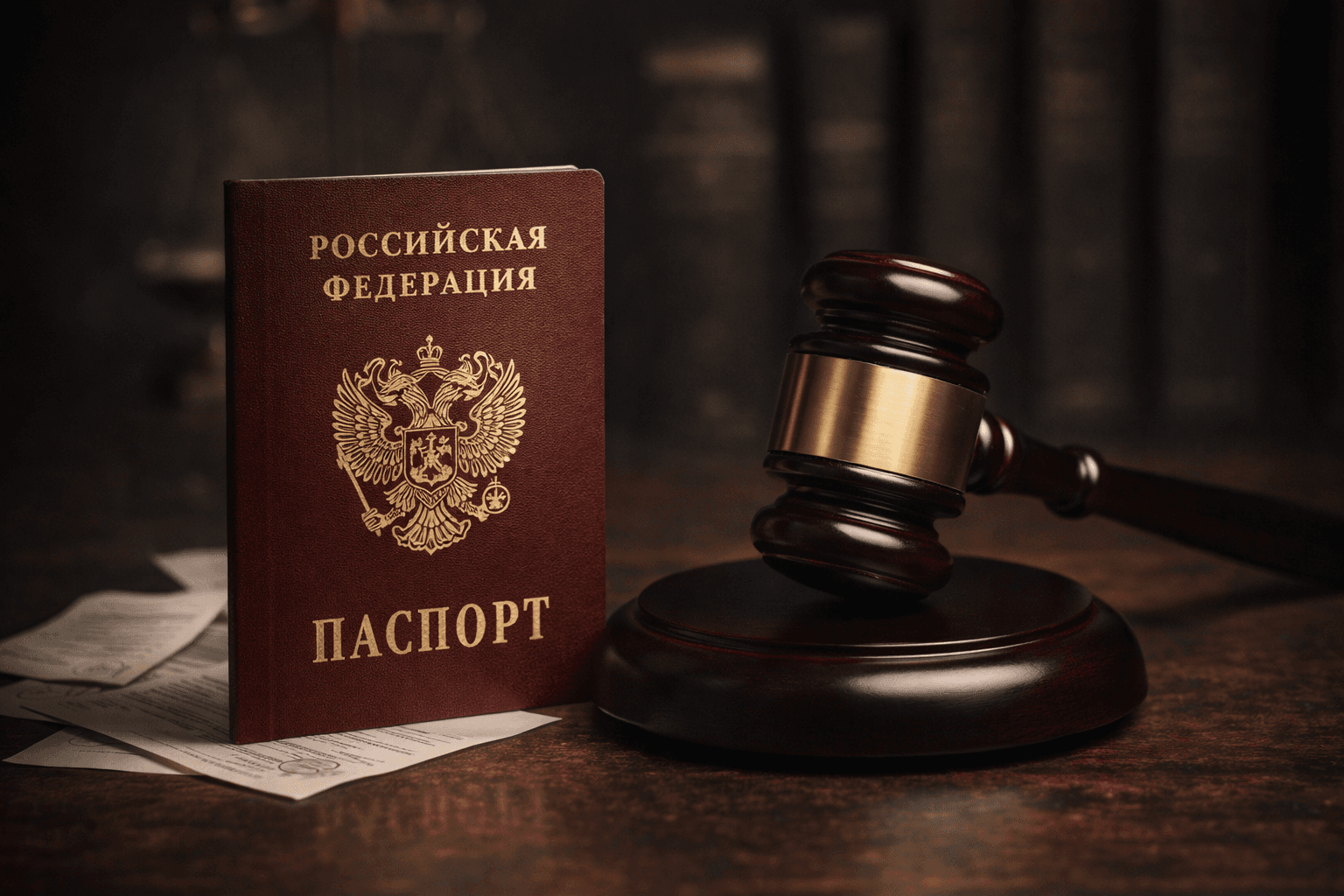
Russia proposes criminal liability for citizens who fail to report foreign residency or passports. Learn about the new 60-day deadline and legal risks.
New Disclosure Rules for Russians Living Abroad: What You Need to Know About Foreign Citizenship Reporting
Recent legislative proposals from the Russian Ministry of Foreign Affairs aim to significantly tighten reporting requirements for citizens residing overseas. If passed, these changes will mandate the formal disclosure of foreign passports and residency permits under threat of criminal prosecution, marking a shift in how the state monitors its citizens' status globally.
Defining the "Permanent Resident" Abroad
One of the most critical aspects of the new bill is the introduction of a precise legal definition for a "citizen of the Russian Federation permanently residing outside the RF." Under the proposed rules, you fall into this category if you meet either of the following criteria:
- You hold a foreign citizenship, nationality, or a permanent residency permit (VRZ/VNJ) and do not have a registered place of residence within Russia.
- You maintain a registered residence in Russia but have actually spent at least 183 calendar days outside the country over the course of the following year.
This definition is designed to close existing loopholes and ensure that the government has a clearer picture of which citizens have established long-term roots in other nations.
Mandatory Consular Registration and Reporting Windows
The initiative, developed as part of the state migration policy for 2019–2025, seeks to make permanent consular registration a standard requirement for those living abroad. According to the Ministry of Foreign Affairs, this move is intended to help consular offices better protect the rights and safety of Russians overseas while providing more accurate statistical data for migration policy.
Under the new regulations, citizens would be required to notify Russian diplomatic missions or consular offices of any new foreign citizenship or residency permit within 60 days of acquisition. Crucially, this obligation applies regardless of whether the individual is currently inside Russia or abroad.
Understanding the Criminal Risks
Perhaps the most significant change is the introduction of criminal liability for failing to report these documents. The bill proposes that Russians living abroad who do not fulfill their notification duties be held accountable under Article 330.2 of the Criminal Code of the Russian Federation.
The penalties for non-compliance are substantial:
- Fines of up to 200,000 rubles.
- Compulsory labor for a period of up to 400 hours.
By moving these infractions into the realm of the Criminal Code, the state is signaling a much stricter approach to dual citizenship transparency than in previous years.
Transition Period and Implementation
Recognizing that many Russians already hold foreign documents and live in remote areas far from the nearest consulate, the bill includes a one-year grace period. Once the law takes effect, those who already possess foreign citizenship or residency will have twelve months to submit their notifications without penalty.
For those concerned about travel logistics, the proposal maintains the option to submit these notifications through a representative via a power of attorney. This is a vital provision for travelers and expats who may not be able to visit a consulate in person due to the "extensive geography" of the Russian diaspora.
As these legal frameworks evolve, it is essential for Russians living or traveling extensively abroad to stay informed about their reporting obligations. Ensuring that your status is correctly registered with consular authorities will be the best way to avoid unexpected legal complications or fines during future visits to the Russian Federation.
Useful Info

Russian Visa Guide for German Citizens 2026
German citizens plan trips to Russia using new electronic visa options. This 2026 guide explains application steps, costs, and travel requirements for a smooth journey across borders.

How to Visit Kamchatka: The Ultimate 2026 Guide
Adventurous travelers explore Russia's Land of Fire and Ice using new e-visas and smart transit routes. Master the logistics of payments and flights for this epic journey.

Moscow 2026: The Ultimate Modern Travel Guide
Navigate the new Russian landscape with ease. Master the digital visa process, discover clever budget transit routes through Poland, and learn essential financial tips for a seamless journey.

New Smart Route to Saint Petersburg Revealed
Travelers discover a clever route to Russia through Poland. Secure your e-visa today and journey from Gdansk to Saint Petersburg to witness stunning imperial architecture and history.

Transit
EU to Russia travel guide

Traveling by Car
Traveling to Russia by car