
Russia Expresses Readiness to Restore Direct Flights to the United States

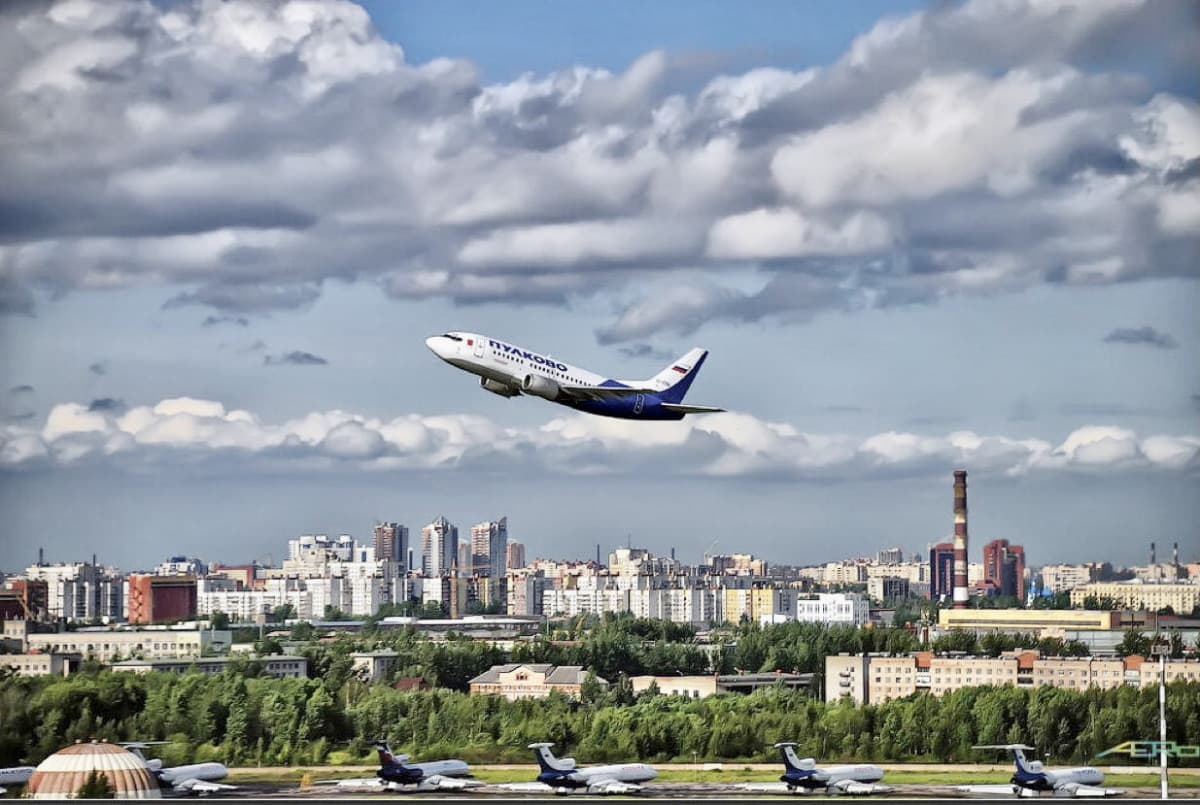
Moscow signals a potential end to the aviation deadlock with the US, but demands for lifted sanctions and aircraft safety guarantees remain key hurdles.
Russia Expresses Readiness to Restore Direct Flights to the United States
Moscow has signaled its willingness to reopen the skies between Russia and the United States, marking a potential shift in the long-standing aviation deadlock. Dmitry Yadrov, the head of the Federal Air Transport Agency (Rosaviatsiya), stated in a recent interview that Russia is prepared to resume direct air travel, provided that specific safety and regulatory conditions are met by Washington.
The proposal comes at a time when global aviation remains deeply fractured by reciprocal airspace bans and sanctions. While the prospect of restoring one of the world’s most significant long-haul corridors is on the table, the path to implementation remains fraught with technical and diplomatic hurdles.
The Logistics of a Potential Return
According to Yadrov, the resumption of flights would create a distinct logistical landscape for carriers on both sides. Speaking with the "Rossiya-24" television channel, the Rosaviatsiya chief noted that American airlines would actually find themselves in a "more comfortable" position regarding flight times. If direct routes are restored, U.S. carriers would likely regain access to efficient flight paths over Russian territory, significantly shortening travel times to Moscow and beyond.
In contrast, Russian airlines would continue to face significant geographic challenges. Because European Union airspace remains closed to Russian-registered aircraft, flights heading from Moscow to the U.S. would still be required to take lengthy detours around Europe. "Our airlines will still be flying around Europe, and this issue is also on the agenda," Yadrov remarked, highlighting the persistent operational imbalance caused by the current geopolitical climate.
The Preconditions: Safety and Sanctions
While Moscow says it is "ready" in principle, the Russian side has made it clear that a return to the status quo is impossible without the lifting of specific restrictions. Yadrov emphasized that the current suspension of flights was a "mirror measure" enacted by Russia only after the United States first imposed bans on Russian carriers.
For flights to resume, the Kremlin is looking for several key guarantees:
- Lifting of Sanctions: The removal of specific restrictions that currently prevent Russian airlines from operating internationally.
- Asset Protection: Formal assurances that Russian aircraft landing on U.S. soil will not be seized or impounded due to ongoing legal disputes or sanctions regimes.
- Technical Maintenance: Guarantees that Russian planes will receive the full complex of necessary ground handling and technical services at American airports.
"When resuming air communication, we must, first of all, be guided by the removal of these restrictions," Yadrov stated, underscoring that the safety and legal security of the fleet is a non-negotiable priority for Rosaviatsiya.
Impact on Global Aviation
The closure of the trans-Atlantic and trans-Siberian corridors has drastically altered the economics of global flight since 2022. For passengers, the absence of direct flights has meant significantly higher ticket prices and grueling layovers in hubs like Istanbul, Dubai, or Doha. For the industry, the lack of direct competition has shifted the market share toward Middle Eastern and Asian carriers.
A restoration of direct U.S.-Russia flights would represent a major milestone in de-escalating the "airspace wars." However, aviation analysts remain cautious, noting that as long as broader economic sanctions remain in place, the technical ability to service and insure aircraft remains a major stumbling block for any immediate breakthrough.
Conclusion
The statement from Rosaviatsiya serves as a diplomatic "ball in the court" for U.S. officials. While Russia has voiced its readiness to return to the skies, the demand for the removal of sanctions and the protection of aircraft assets suggests that any actual resumption of flights is likely still a distant prospect. For now, the proposal remains a signal of intent in a complex geopolitical negotiation that continues to keep the two nations separated by thousands of miles of restricted airspace.
Latest News


Duma Proposes Opt-Out for International Calls
Russia updates its anti-fraud bill to allow mobile users a choice in blocking international calls. Landlines face stricter defaults to protect elderly citizens from phone scams.
February 23, 2026
EU Proposes Total Ban on Russian Crypto
The EU moves to block all Russian cryptocurrency transactions. This plan targets digital backdoors used to bypass sanctions. New rules affect exchanges and private wallets.
February 17, 2026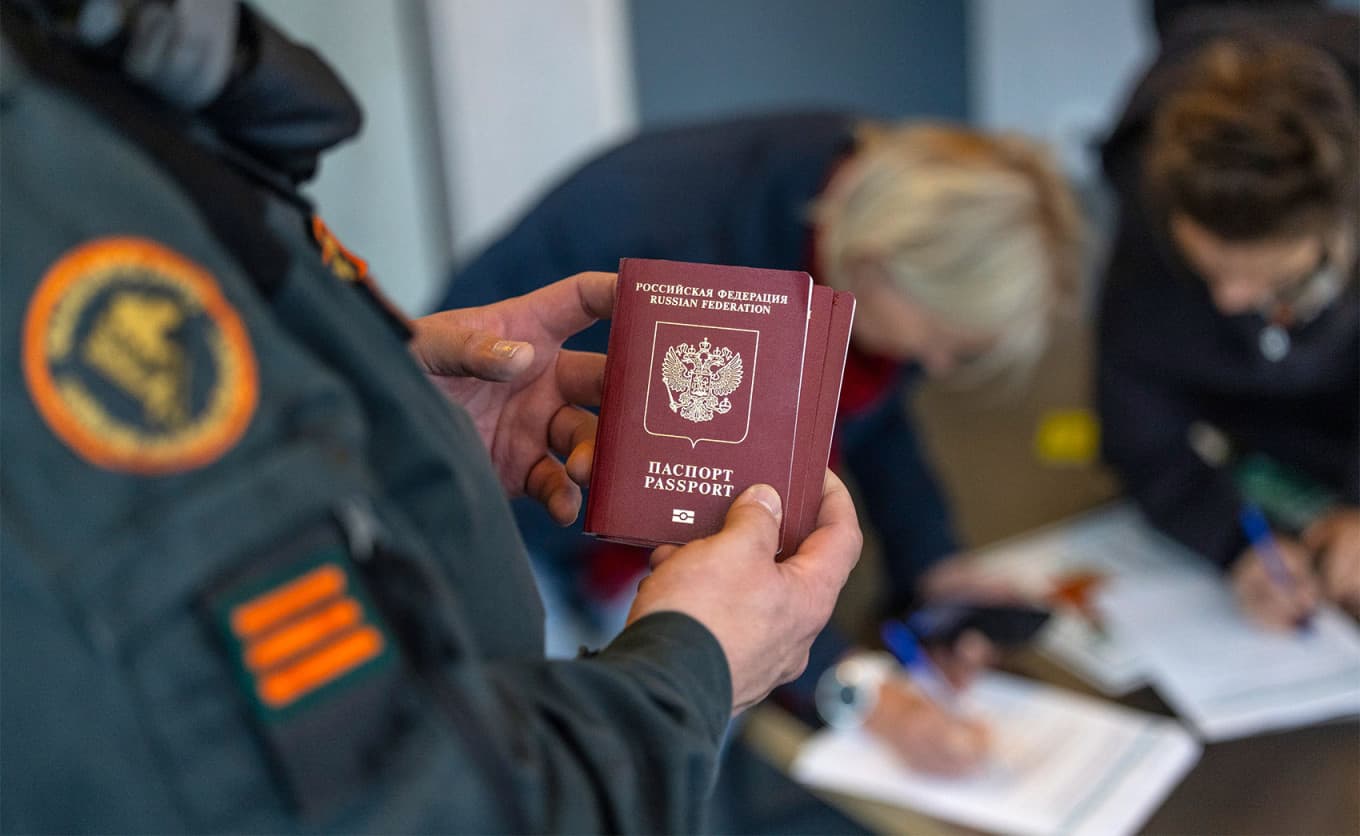
Schengen Bans 5-Year Russian Passports
Schengen states synchronize a ban on 5-year non-biometric Russian passports. Travelers now require 10-year chip-enabled documents for all visa applications and entry.
February 11, 2026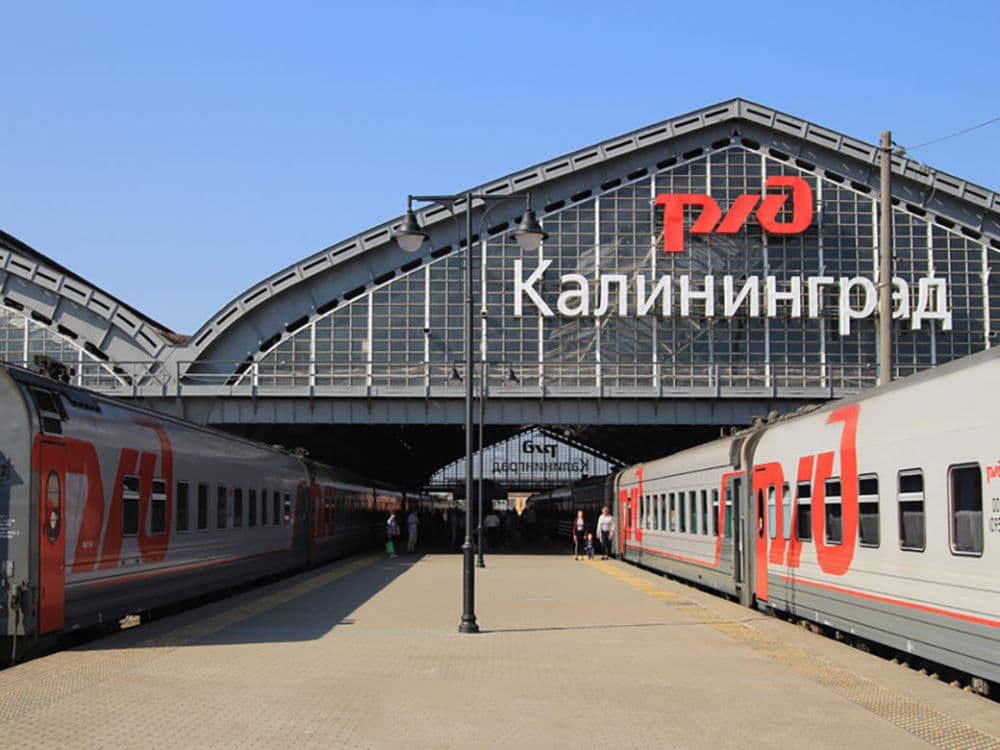
Lithuania to Boost Kaliningrad Train Security
Lithuania seeks EU funding to eliminate security gaps in Kaliningrad rail transit. New high-tech cameras and sensors monitor Russian trains crossing the border.
February 10, 2026
EU Proposes New Sanctions as Peace Deadline Looms
The European Commission targets Russia's energy and finance sectors in a new sanctions wave. This move aligns with a potential June deadline for peace negotiations.
February 7, 2026
EU Adds Russia to Money Laundering Blacklist
The European Union implements financial oversight as Russia joins the high-risk money laundering blacklist. Banks now enforce enhanced due diligence for all transactions involving Russian entities.
February 4, 2026