EU Blacklists Russia: New Financial Controls and AML Regulations

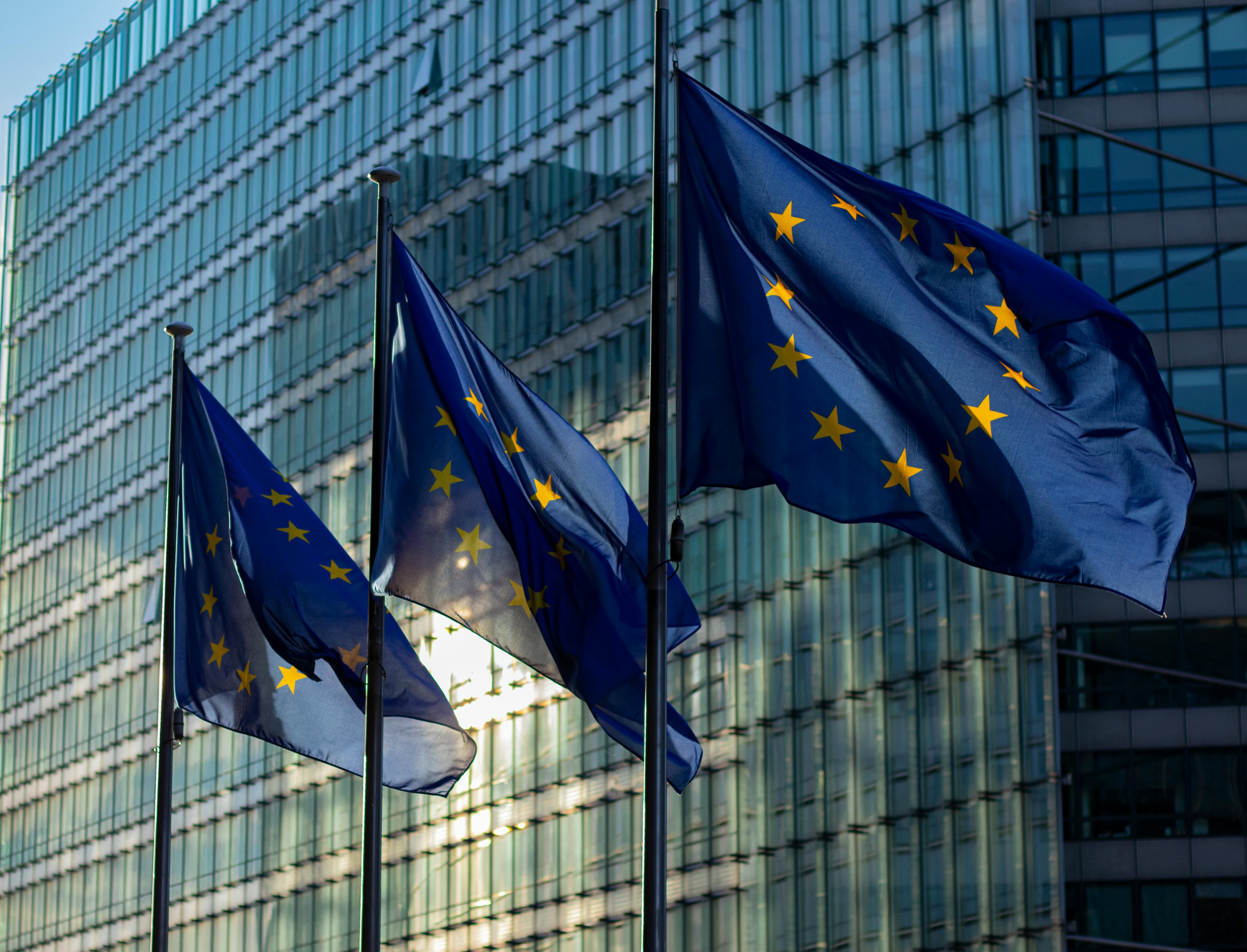
The European Union officially places Russia on its money laundering blacklist, mandating enhanced due diligence for all financial transactions and entities.
EU Formalizes Russia’s Inclusion on Money Laundering Blacklist
The European Union has officially implemented its decision to include the Russian Federation on its "black list" of high-risk jurisdictions regarding money laundering and terrorist financing. The measure, which took effect on January 29, 2026, marks a significant escalation in the financial oversight of Russian-linked capital and further isolates the country’s financial system from the European market.
The move follows a December 2025 decision by the European Commission, which was formally published in the Official Journal of the European Union. Having cleared the mandatory 20-day waiting period without opposition from the European Parliament or the European Council, the designation now mandates that all EU-based financial institutions apply enhanced due diligence to any transaction involving Russian entities or individuals.
A New Era of Financial Scrutiny
The inclusion of Russia on this list signifies that the EU views the country as having "strategic deficiencies" in its anti-money laundering and counter-terrorist financing (AML/CFT) frameworks. For European banks and financial intermediaries, this is not merely a symbolic label; it carries heavy compliance obligations.
Under the new regulations, financial institutions must:
- Conduct deeper investigations into the source of funds and source of wealth for Russian clients.
- Obtain additional information on the nature of business relationships.
- Secure approval from senior management before establishing or continuing any business ties involving the jurisdiction.
- Increase the frequency and intensity of transaction monitoring to identify suspicious patterns.
These requirements are expected to significantly slow down cross-border payments and increase the administrative costs for any European company still maintaining commercial ties with Russia.
Divergence from Global Standards
Historically, the European Union’s list of high-risk jurisdictions has closely mirrored the findings of the Financial Action Task Force (FATF), the global watchdog for financial crimes. While the FATF suspended Russia’s membership in 2023 following the invasion of Ukraine, it stopped short of placing the country on its own "black" or "grey" lists. Reports indicate that consensus within the FATF was blocked by member states including China, India, Saudi Arabia, and South Africa.
By moving forward independently of the FATF’s formal classification, Brussels has signaled its intent to set a stricter regional standard. This marks the first time since 2002—when Russia was removed from the FATF blacklist after overhauling its financial laws—that Moscow has been officially categorized as a high-risk jurisdiction by a major Western regulatory body.
Moscow Denounces "Politicized" Decision
Russian authorities have reacted sharply to the EU’s move, characterizing it as a politically motivated gesture rather than a technical assessment of financial risks. Rosfinmonitoring, Russia’s federal financial intelligence service, argued that the decision lacked factual basis and was reached without consulting Russian experts.
According to a spokesperson for the agency, the EU’s document fails to provide specific evidence of systemic flaws in Russia’s current AML/CFT infrastructure. While acknowledging the new hurdles for European entities, Rosfinmonitoring maintained that the Russian domestic banking sector would continue to operate normally and that the impact would be limited to those operating within the EU’s legal jurisdiction.
As the geopolitical divide between Moscow and Brussels deepens, this latest financial designation creates a permanent regulatory barrier that is likely to persist regardless of the status of broader economic sanctions. For the international business community, the "blacklisting" serves as a stark reminder that the risks of navigating the Russian market now extend far beyond simple trade restrictions into the core of global compliance.
Latest News


Duma Proposes Opt-Out for International Calls
Russia updates its anti-fraud bill to allow mobile users a choice in blocking international calls. Landlines face stricter defaults to protect elderly citizens from phone scams.
February 23, 2026
EU Proposes Total Ban on Russian Crypto
The EU moves to block all Russian cryptocurrency transactions. This plan targets digital backdoors used to bypass sanctions. New rules affect exchanges and private wallets.
February 17, 2026
Russia Ready to Resume Direct US Flights
Russia signals its willingness to reopen direct air travel with the United States. Rosaviatsiya demands safety guarantees and the lifting of specific sanctions for flights to return.
February 16, 2026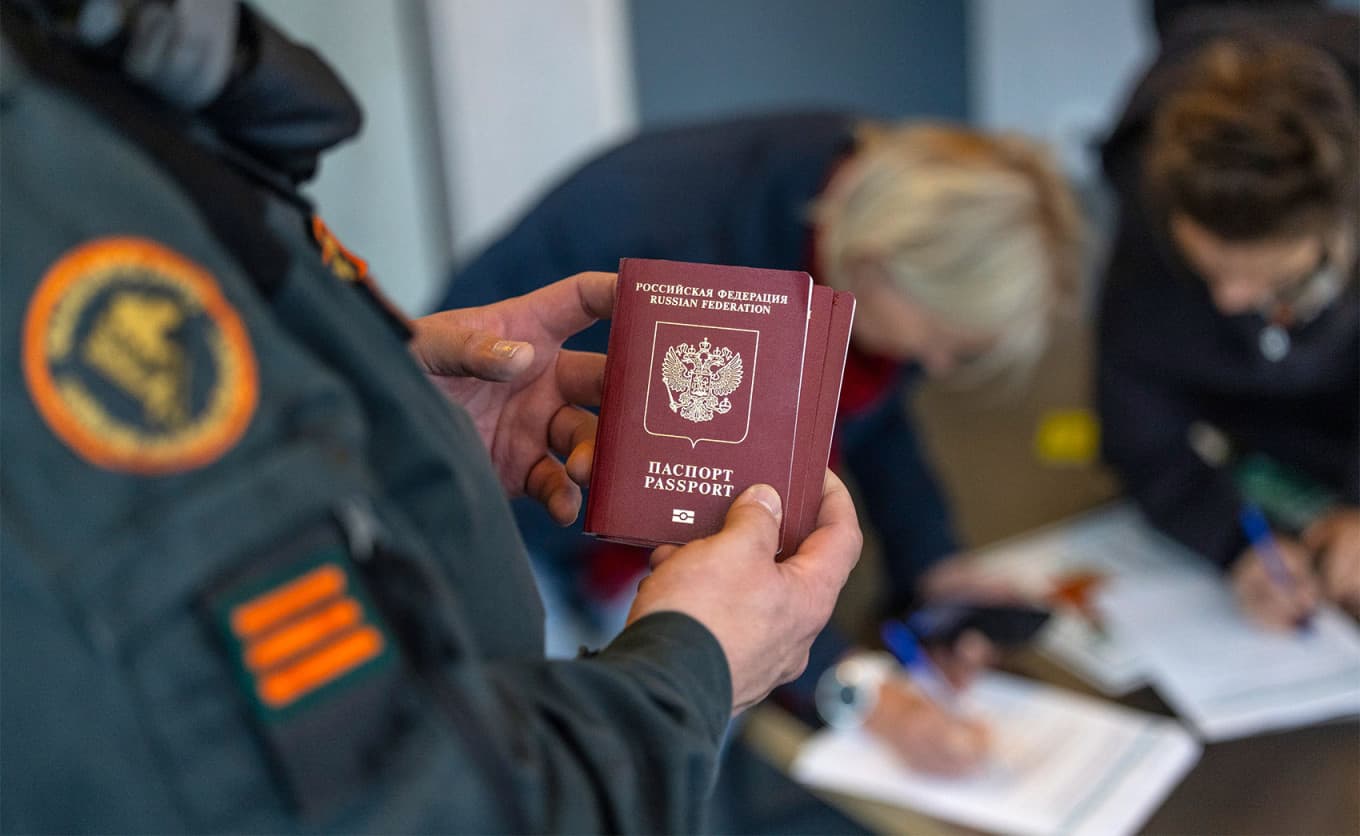
Schengen Bans 5-Year Russian Passports
Schengen states synchronize a ban on 5-year non-biometric Russian passports. Travelers now require 10-year chip-enabled documents for all visa applications and entry.
February 11, 2026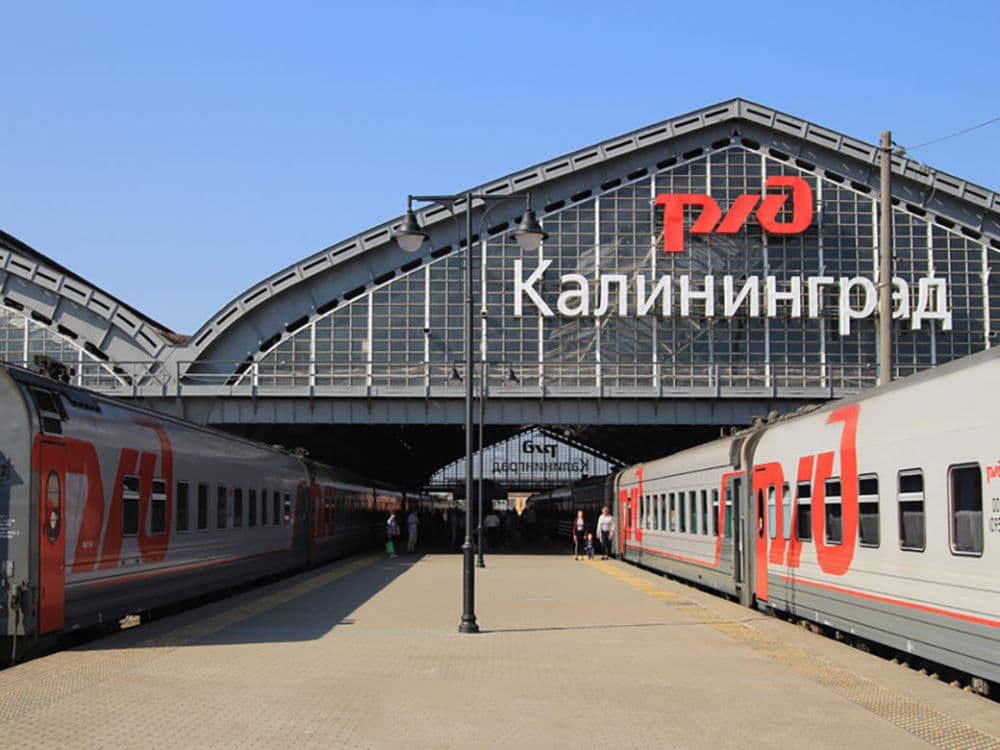
Lithuania to Boost Kaliningrad Train Security
Lithuania seeks EU funding to eliminate security gaps in Kaliningrad rail transit. New high-tech cameras and sensors monitor Russian trains crossing the border.
February 10, 2026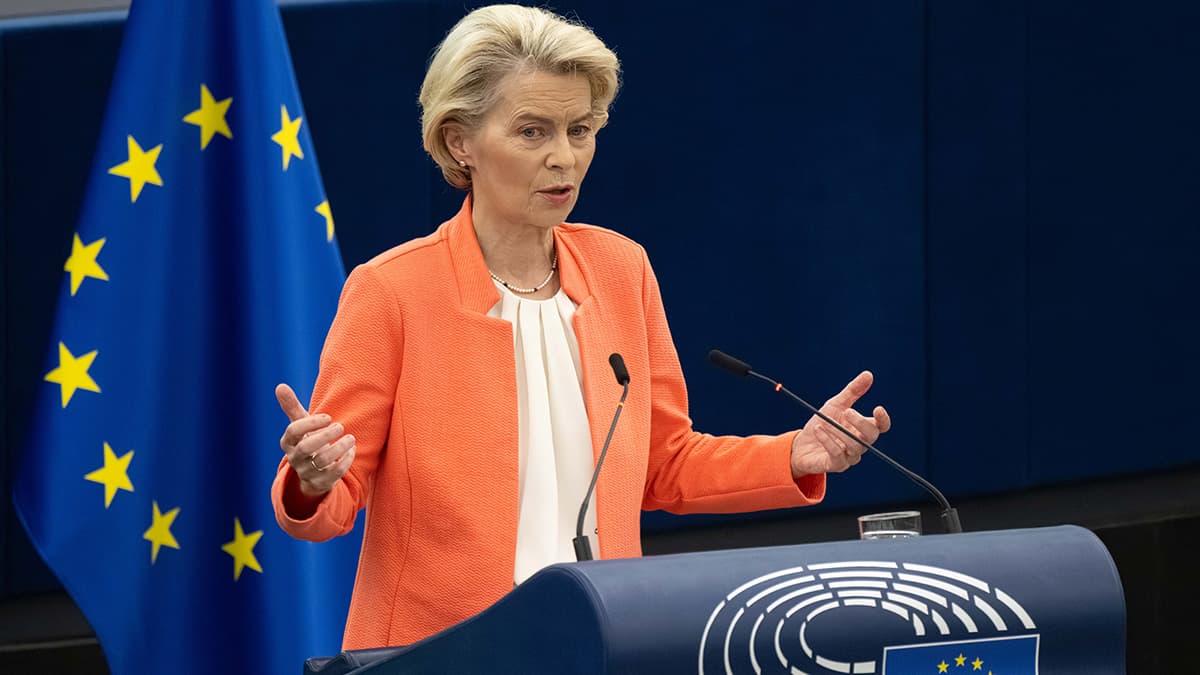
EU Proposes New Sanctions as Peace Deadline Looms
The European Commission targets Russia's energy and finance sectors in a new sanctions wave. This move aligns with a potential June deadline for peace negotiations.
February 7, 2026