
Russia Proposes New Opt-Out Rules for International Phone Calls


Russia’s State Duma revises anti-fraud legislation, offering mobile users more control over international call blocking while tightening landline security.
Duma Committee Proposes "Opt-Out" Approach for International Calls in New Anti-Fraud Push
The Russian State Duma’s Committee on Information Policy has recommended significant revisions to a proposed anti-fraud bill, advocating for a more flexible approach to blocking international phone calls. While the original government proposal suggested an automatic ban on all incoming foreign calls by default, lawmakers are now pushing for a system that allows mobile users to decide for themselves whether to restrict such communications.
The legislative package, known as Bill No. 1110676-8, represents a comprehensive effort to tighten digital security and protect citizens from cross-border phone scams. If passed, the core measures are expected to take effect by September 1, 2026.
Differentiating Mobile and Landline Security
A key highlight of the committee’s recommendation is the distinction between stationary landlines and mobile devices. Under the proposed amendments, landline phones would retain the "block by default" status originally envisioned by the government. Lawmakers argue that this is necessary because landline users are predominantly elderly citizens, a demographic frequently targeted and historically more vulnerable to sophisticated social engineering and phone-based fraud.
However, the committee suggested that landline users should have access to a "white list" mechanism. This would allow them to receive calls from verified numbers belonging to relatives or close associates living abroad, ensuring that security measures do not sever essential family ties.
For mobile phone users, the committee proposed a "declarative" or "opt-out" system. Instead of a blanket ban, subscribers would have the agency to choose whether to block international calls through a formal request to their service provider. This mirrors existing Russian regulations regarding the refusal of certain mobile services or the signing of mobile contracts.
The Challenge of Recycled Phone Numbers
The bill also outlines the creation of a unified registry of "suspicious" subscriber numbers—those identified as being used for illegal activities. While the committee supports the concept, it raised concerns regarding the lifecycle of mobile numbers.
In the Russian telecommunications market, it is common for numbers to be recycled and reassigned to new customers after a contract is terminated. The committee warned that:
- The current draft does not specify how numbers will be removed from the "black list" after a contract ends.
- New, innocent subscribers could inherit "tainted" numbers, leading to unfair restrictions on their access to mobile and financial services.
- The legal status of the data regarding "victims of illegal actions" remains vague, with lawmakers calling for clearer definitions of why this data is being collected and stored.
Addressing Legal and Technical Ambiguities
Beyond call blocking, the committee identified a legal technicality regarding the "State Information System" (GIS) tasked with monitoring these crimes. The bill currently grants this automated system the authority to issue mandatory orders to telecom operators to suspend services for specific numbers.
Lawmakers pointed out that under Russian law, an automated information system is not a legal entity and therefore lacks the legal capacity to issue binding orders. The committee insists that the bill must be refined to identify a specific human or institutional authority responsible for these actions to ensure accountability.
A Broader Digital Security Overhaul
This call-blocking initiative is part of a much larger "anti-fraud package" that aims to modernize Russia’s digital defenses. Other measures included in the bill involve:
- Mandatory verification of significant online actions via SMS codes and the state-approved messenger, Max.
- Stricter requirements for banks to protect mobile applications and websites from malicious code.
- Enhanced coordination between telecom operators and the unified registry to preemptively block fraudulent traffic.
The State Duma is scheduled to consider the bill in its first reading on February 10. While the committee has recommended its approval, the final implementation will depend on how successfully the government addresses these concerns regarding user convenience and legal clarity.
Latest News


EU Proposes Total Ban on Russian Crypto
The EU moves to block all Russian cryptocurrency transactions. This plan targets digital backdoors used to bypass sanctions. New rules affect exchanges and private wallets.
February 17, 2026
Russia Ready to Resume Direct US Flights
Russia signals its willingness to reopen direct air travel with the United States. Rosaviatsiya demands safety guarantees and the lifting of specific sanctions for flights to return.
February 16, 2026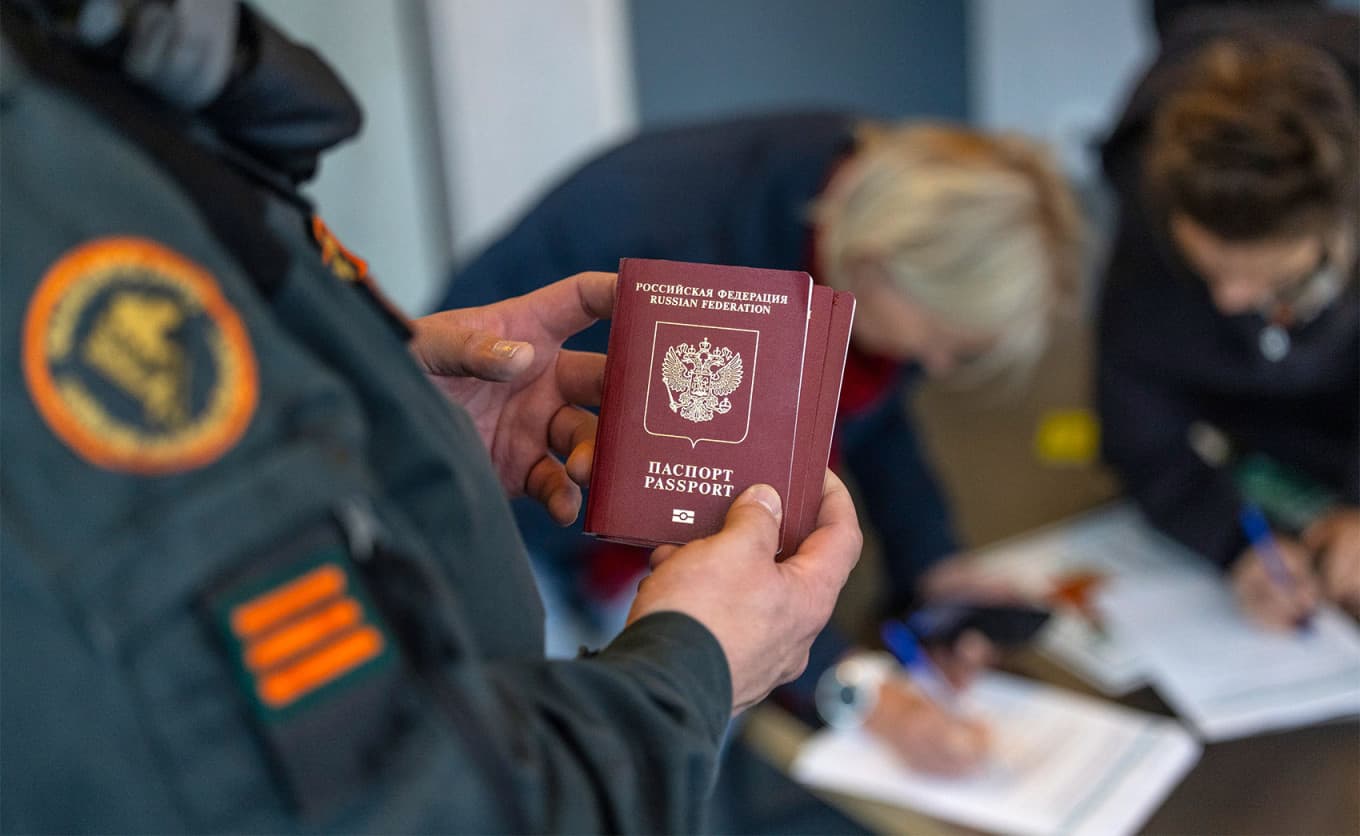
Schengen Bans 5-Year Russian Passports
Schengen states synchronize a ban on 5-year non-biometric Russian passports. Travelers now require 10-year chip-enabled documents for all visa applications and entry.
February 11, 2026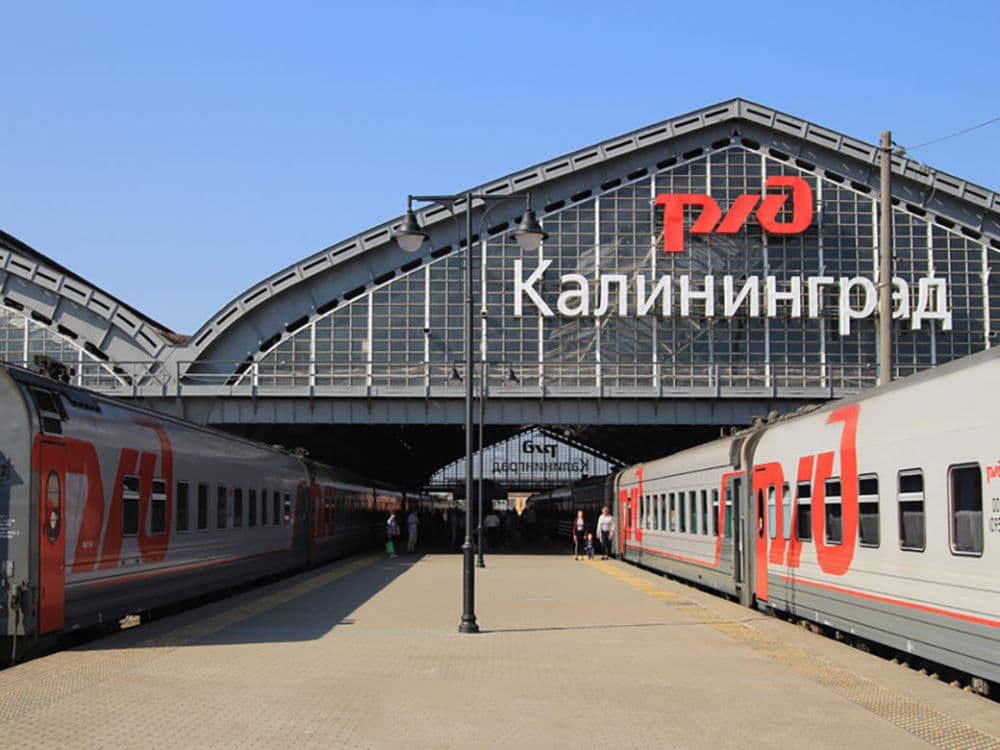
Lithuania to Boost Kaliningrad Train Security
Lithuania seeks EU funding to eliminate security gaps in Kaliningrad rail transit. New high-tech cameras and sensors monitor Russian trains crossing the border.
February 10, 2026
EU Proposes New Sanctions as Peace Deadline Looms
The European Commission targets Russia's energy and finance sectors in a new sanctions wave. This move aligns with a potential June deadline for peace negotiations.
February 7, 2026
EU Adds Russia to Money Laundering Blacklist
The European Union implements financial oversight as Russia joins the high-risk money laundering blacklist. Banks now enforce enhanced due diligence for all transactions involving Russian entities.
February 4, 2026