
Lithuania Seeks EU Funds for Kaliningrad Rail Surveillance

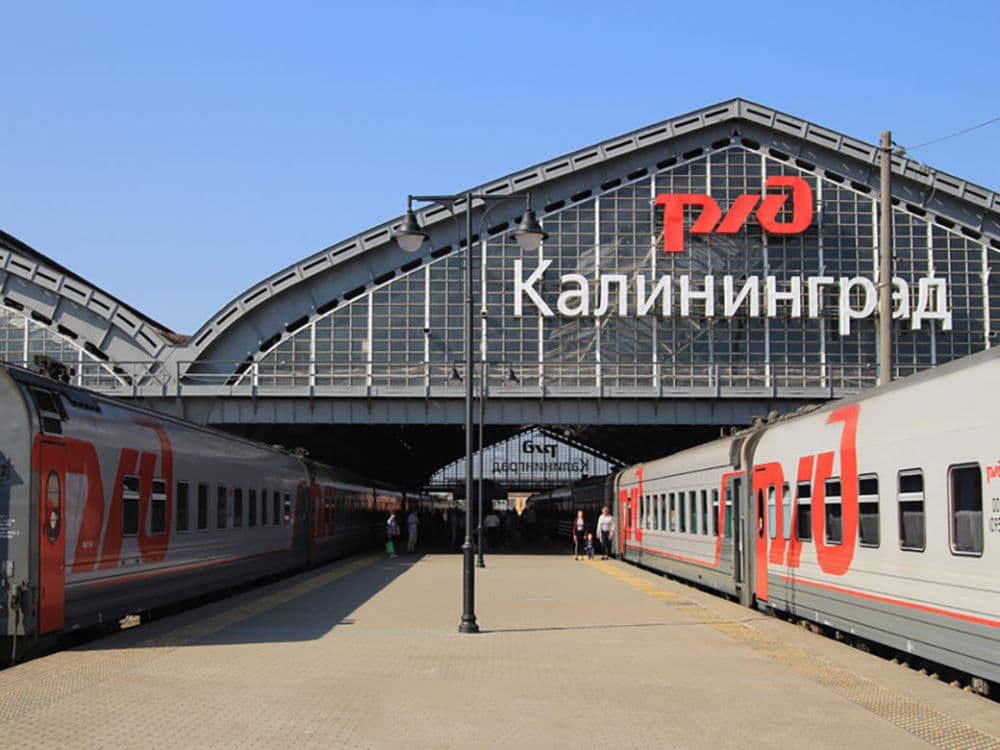
Vilnius requests European Commission funding to install high-tech sensors and cameras along the strategic rail corridor to Kaliningrad.
Vilnius Seeks EU Funding to Tighten Surveillance on Kaliningrad Rail Transit
Lithuania is moving to significantly bolster its monitoring of Russian transit trains crossing its territory to the Kaliningrad exclave, citing the need to close security loopholes. Interior Minister Vladislav Kondratovich recently announced that the Baltic republic is seeking financial assistance from the European Commission to implement a high-tech surveillance plan along the strategic rail corridor.
Addressing the "Gray Zones" of Transit Security
The push for enhanced security follows a critical review of how various Lithuanian agencies manage the transit route. Previously, the responsibility for monitoring Russian trains was divided among the police, border guards, and the Public Security Service. According to Kondratovich, this fragmented approach created "gray zones" where individuals could potentially evade oversight or engage in illegal activities.
To mitigate these risks, the Lithuanian government has updated the mandates for these services, enforcing a more integrated and comprehensive control mechanism. The goal is to ensure that no part of the journey through Lithuanian territory remains unmonitored. By synchronizing the efforts of different security branches, Vilnius hopes to eliminate the administrative gaps that previously hindered effective enforcement.
The Catalyst: A Mid-Transit Escape
The urgency behind these measures is largely driven by a security breach that occurred in June 2024. During that incident, a Russian citizen born in 2004 managed to leap from a moving transit train traveling from Adler to Kaliningrad. While the individual was eventually apprehended in a third country, the event exposed vulnerabilities in the current transit protocols.
The Interior Minister noted that while additional security measures implemented since that escape appear to have been effective—with no further attempts recorded—the infrastructure remains incomplete. The Russian national involved in the June incident has yet to be extradited to Lithuania, a process that officials admit could take a significant amount of time.
High-Tech Solutions and European Funding
The proposed upgrades are not merely administrative but involve a substantial technological overhaul. Lithuania’s plan for the coming year includes:
- Expanded Camera Networks: Installing additional high-definition surveillance cameras along the entire length of the transit route.
- Sensor Systems: Implementing specialized sensors designed to alert authorities immediately if a train door is opened or if other unauthorized actions occur while the vehicle is in motion.
- Integrated Monitoring: Real-time data sharing between security services to ensure a rapid response to any anomalies.
Because the Kaliningrad transit route represents a unique arrangement involving the European Union’s external borders, Lithuania is looking to Brussels to foot the bill. The Ministry of the Interior has formally requested funding from the European Commission, arguing that securing this corridor is a matter of collective European security rather than a purely national concern.
Why the Kaliningrad Corridor Matters
The transit of Russian citizens and goods between mainland Russia and the Kaliningrad exclave has long been a sensitive geopolitical issue. Under a special agreement with the EU, Russian trains pass through Lithuanian territory under strict regulations. However, as tensions between the West and Moscow remain high, the physical security of this corridor has become a priority for Baltic officials.
For Lithuania, these measures are about maintaining the integrity of the Schengen Area and preventing unauthorized entry. For the broader region, the implementation of these "infrastructure solutions" represents another step in the hardening of borders between the EU and Russia, turning a once-routine transit route into one of the most heavily monitored rail links in the world.
As Vilnius awaits a response from the European Commission, the Ministry of the Interior remains committed to completing the technical aspects of the plan within the next twelve months, signaling a permanent shift toward a high-surveillance model for the Kaliningrad transit.
Latest News

Duma Proposes Opt-Out for International Calls
Russia updates its anti-fraud bill to allow mobile users a choice in blocking international calls. Landlines face stricter defaults to protect elderly citizens from phone scams.
February 23, 2026
EU Proposes Total Ban on Russian Crypto
The EU moves to block all Russian cryptocurrency transactions. This plan targets digital backdoors used to bypass sanctions. New rules affect exchanges and private wallets.
February 17, 2026
Russia Ready to Resume Direct US Flights
Russia signals its willingness to reopen direct air travel with the United States. Rosaviatsiya demands safety guarantees and the lifting of specific sanctions for flights to return.
February 16, 2026
Schengen Bans 5-Year Russian Passports
Schengen states synchronize a ban on 5-year non-biometric Russian passports. Travelers now require 10-year chip-enabled documents for all visa applications and entry.
February 11, 2026
EU Proposes New Sanctions as Peace Deadline Looms
The European Commission targets Russia's energy and finance sectors in a new sanctions wave. This move aligns with a potential June deadline for peace negotiations.
February 7, 2026
EU Adds Russia to Money Laundering Blacklist
The European Union implements financial oversight as Russia joins the high-risk money laundering blacklist. Banks now enforce enhanced due diligence for all transactions involving Russian entities.
February 4, 2026