
EU to Ban All Russian Crypto Transactions to Close Sanction Loopholes

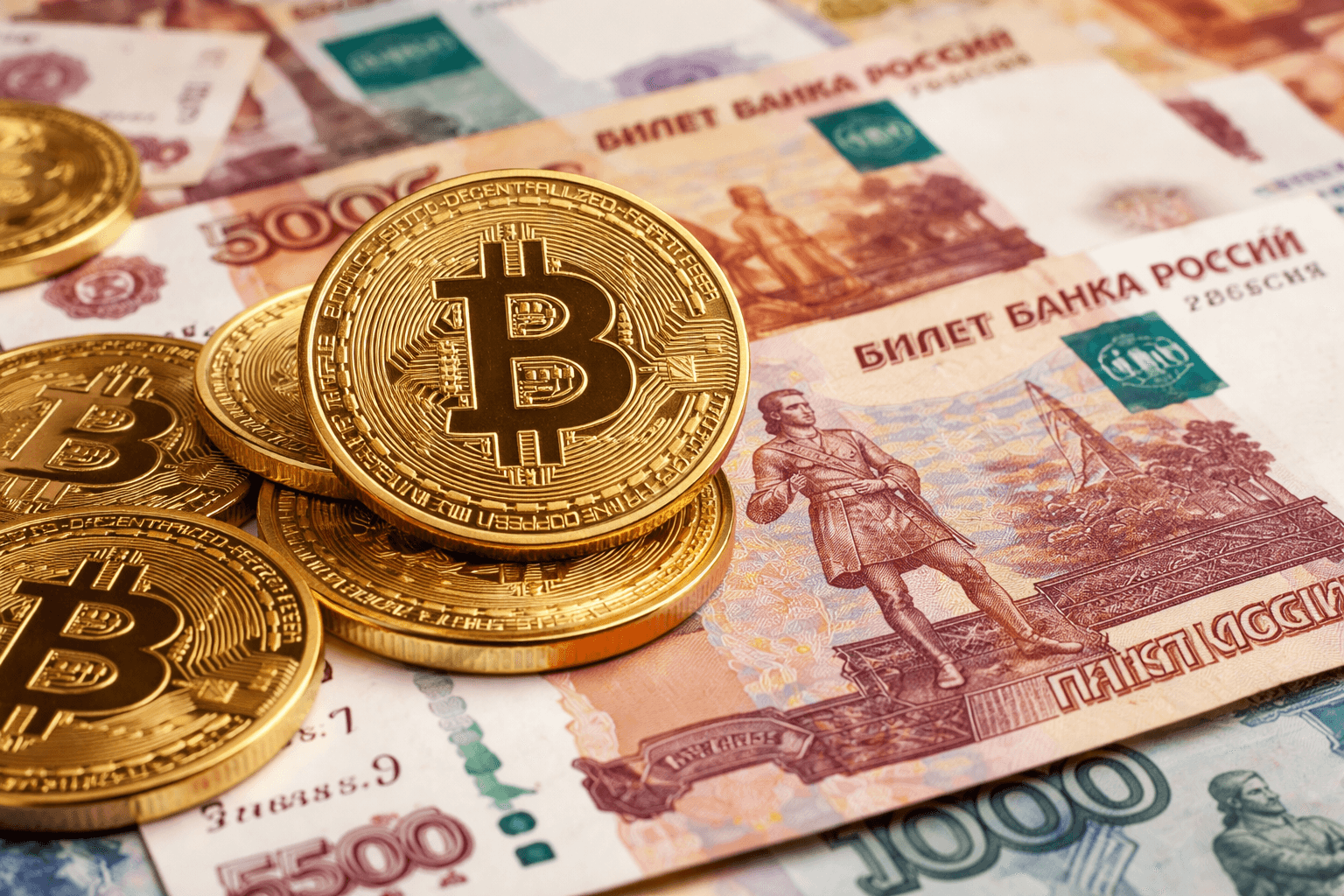
The European Union proposes a total ban on Russian digital asset transactions, targeting the grey market and closing loopholes in the financial blockade.
EU Targets Digital Assets in Latest Move to Sever Russian Financial Ties
The European Union is preparing to tighten its economic pressure on Moscow by proposing a comprehensive ban on all cryptocurrency transactions involving Russian entities and individuals. This legislative push marks a significant escalation in the bloc’s efforts to dismantle the "digital backdoors" that have allowed the Russian financial system to maintain a degree of connectivity with the global economy despite heavy sanctions.
Closing the Decentralized Loophole
Since the full-scale invasion of Ukraine in 2022, the EU has progressively dismantled Russia’s access to traditional international banking. However, as the Russian ruble faced volatility and major banks were disconnected from the SWIFT messaging system, cryptocurrency emerged as a vital alternative for both the Russian state and private citizens.
The proposed ban aims to eliminate the ambiguity that previously existed in the digital asset space. While earlier sanctions packages focused on limiting the value of assets held in Russian-linked crypto wallets, the new measures seek to implement a total prohibition. By targeting the entire spectrum of crypto transactions, Brussels hopes to ensure that decentralized finance (DeFi) and digital tokens cannot be used to facilitate the trade of sanctioned goods or the movement of capital by the Russian elite.
From Incremental Limits to a Total Ban
The evolution of EU policy reflects a growing recognition of the sophistication of Russian sanctions-evasion tactics. Initially, the EU placed a €10,000 cap on Russian crypto deposits. When it became clear that this threshold was easily bypassed through multiple smaller accounts, the bloc moved to ban the provision of crypto-asset wallet, account, or custody services to Russian residents and entities.
The latest proposal goes a step further by focusing on the transactional level. This means:
- Centralized Exchanges (CEXs) operating within the EU will be required to block all transfers originating from or destined for Russia.
- European financial institutions will face stricter reporting requirements regarding any interaction with Russian-linked digital signatures.
- Increased scrutiny on "off-ramp" services where digital assets are converted into fiat currencies like the Euro.
The Impact on the Russian "Grey Market"
This move is expected to hit the Russian private sector and the burgeoning community of Russian expatriates particularly hard. For many Russian tech workers and small business owners, cryptocurrency has become the primary method for receiving international payments or preserving savings.
However, the primary target remains the state-sponsored "grey market." Investigative reports have frequently highlighted how Russian intermediaries use stablecoins, such as Tether, to settle cross-border invoices for prohibited electronics and industrial components. By cutting off the ability of European crypto service providers to interact with these flows, the EU intends to make these clandestine supply chains significantly more expensive and difficult to maintain.
Challenges of Enforcement
Despite the legislative intent, enforcement remains a formidable challenge for European regulators. The inherently borderless nature of blockchain technology means that while centralized platforms can be forced into compliance, decentralized protocols and peer-to-peer (P2P) networks are much harder to police.
The success of this ban will largely depend on the cooperation of international partners and the ability of EU authorities to track "chain-hopping"—a technique where users move assets across different blockchains to obscure their origin. Nevertheless, the proposal sends a clear message: the EU is committed to building a total digital blockade to complement its physical and traditional financial sanctions.
In conclusion, as the conflict in Ukraine continues, the EU's move to ban Russian crypto transactions represents a final step in the financial isolation of Moscow. By treating digital assets with the same severity as traditional currency, Brussels is signaling that the era of the "crypto-refuge" for sanctioned capital is coming to an end.
Latest News


Duma Proposes Opt-Out for International Calls
Russia updates its anti-fraud bill to allow mobile users a choice in blocking international calls. Landlines face stricter defaults to protect elderly citizens from phone scams.
February 23, 2026
Russia Ready to Resume Direct US Flights
Russia signals its willingness to reopen direct air travel with the United States. Rosaviatsiya demands safety guarantees and the lifting of specific sanctions for flights to return.
February 16, 2026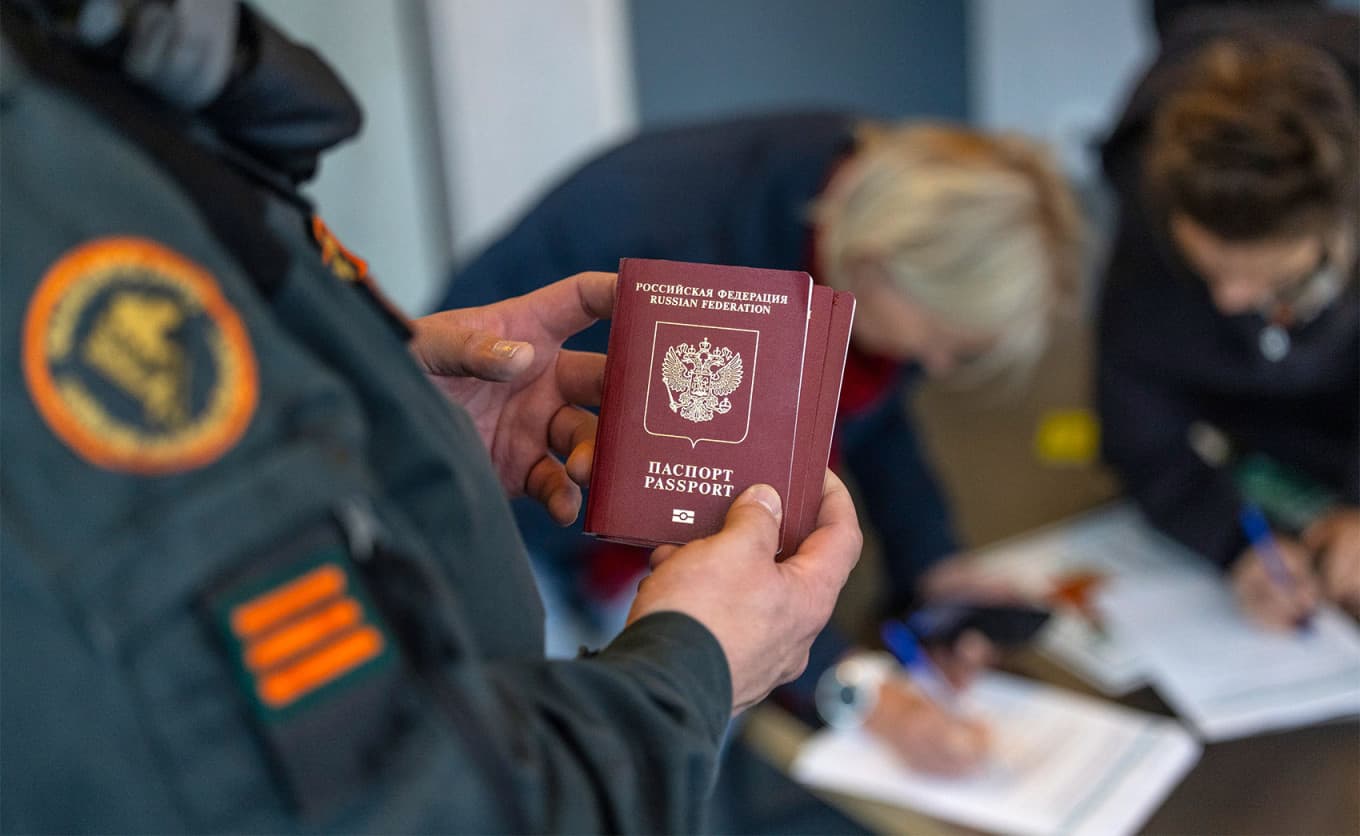
Schengen Bans 5-Year Russian Passports
Schengen states synchronize a ban on 5-year non-biometric Russian passports. Travelers now require 10-year chip-enabled documents for all visa applications and entry.
February 11, 2026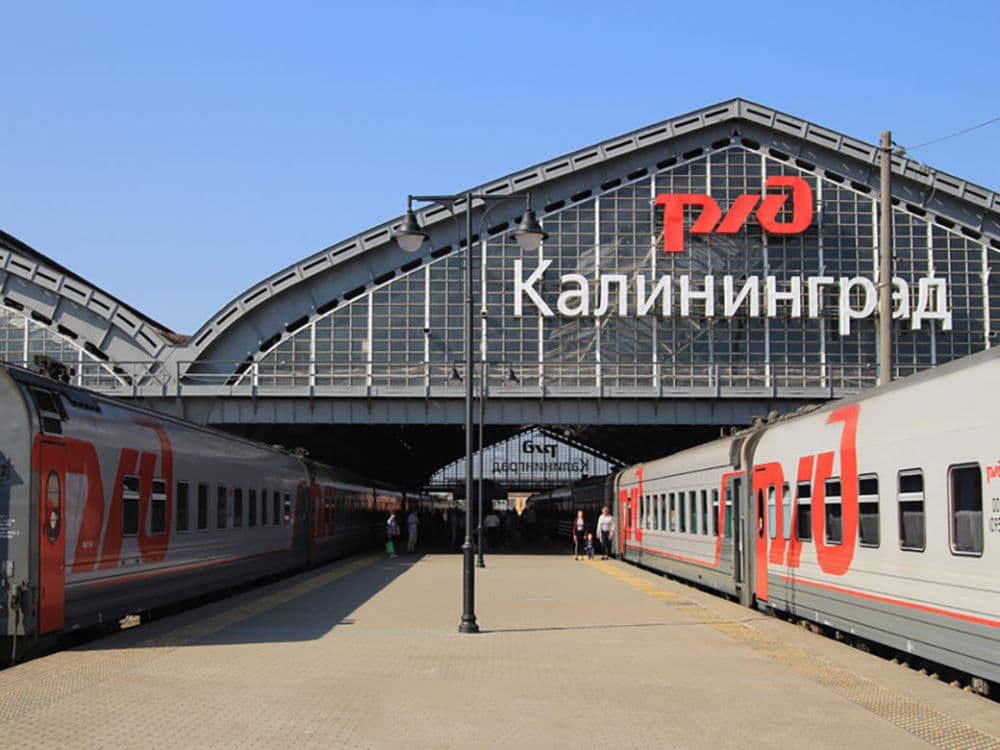
Lithuania to Boost Kaliningrad Train Security
Lithuania seeks EU funding to eliminate security gaps in Kaliningrad rail transit. New high-tech cameras and sensors monitor Russian trains crossing the border.
February 10, 2026
EU Proposes New Sanctions as Peace Deadline Looms
The European Commission targets Russia's energy and finance sectors in a new sanctions wave. This move aligns with a potential June deadline for peace negotiations.
February 7, 2026
EU Adds Russia to Money Laundering Blacklist
The European Union implements financial oversight as Russia joins the high-risk money laundering blacklist. Banks now enforce enhanced due diligence for all transactions involving Russian entities.
February 4, 2026