
EU Hits Russia With New Sanctions Amid June Peace Deadline

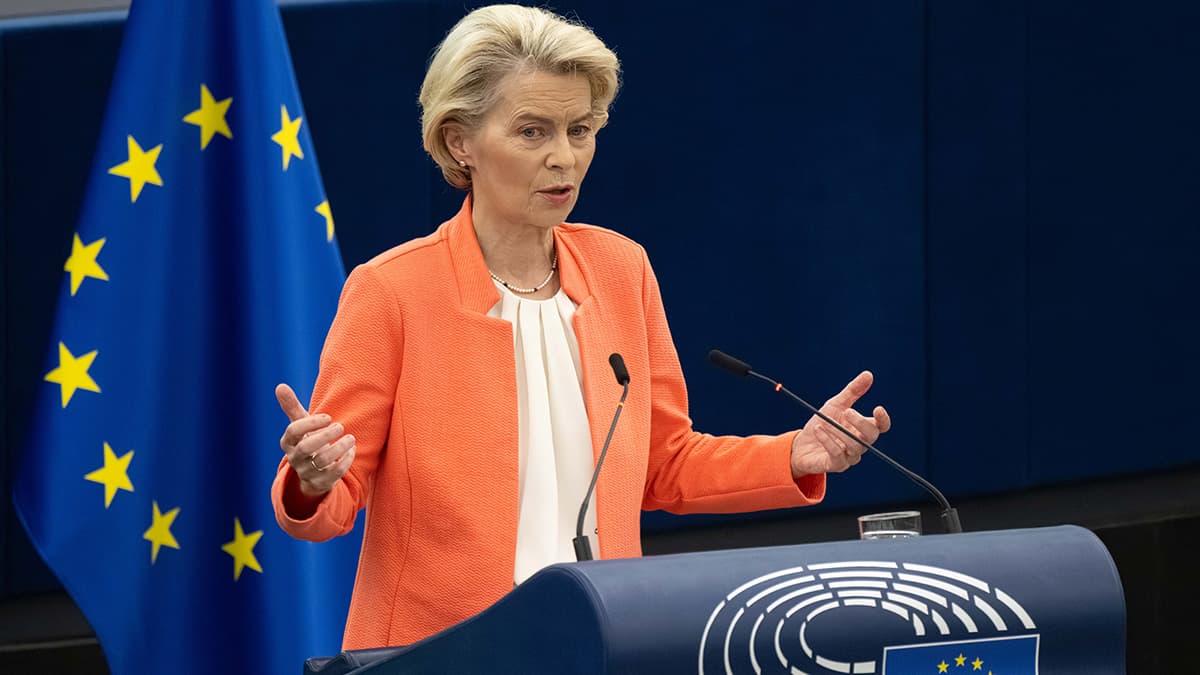
The European Commission proposes a major sanctions package targeting Russia's energy and banking sectors as a critical summer peace deadline approaches.
EU Proposes New Sanctions Wave as Ukraine Eyes Summer Deadline for Peace
In a concerted effort to increase pressure on the Kremlin, the European Commission has formally proposed a fresh round of sanctions designed to further isolate the Russian economy. This latest diplomatic and economic push comes at a critical juncture, following recent revelations from President Volodymyr Zelenskyy regarding a potential summer deadline for reaching a resolution to the conflict.
Striking at Energy and Finance
The proposed measures represent a significant escalation in the West’s attempt to drain the financial resources fueling the invasion of Ukraine. According to the proposal, the new sanctions package will primarily target Russia’s energy sector and its remaining financial gateways.
Key components of the proposal include:
- Oil and Energy Exports: New restrictions aimed at the "shadow fleet" of tankers that Russia uses to bypass existing price caps and transport crude oil to global markets.
- Banking Restrictions: Further isolation of Russian financial institutions from the international banking system to complicate the settlement of trade and the movement of capital.
- Dual-Use Technology: Tightened controls on the export of components that can be repurposed for military use, specifically targeting the Russian defense industry’s supply chain.
By targeting these sectors, the European Union aims to create a "double squeeze"—reducing the revenue Russia receives from its primary export, oil, while simultaneously making it more expensive and difficult for Moscow to procure the technology needed to sustain its military operations.
A Race Against the Clock
The timing of these proposals is particularly significant. President Zelenskyy recently indicated that the United States has signaled a June deadline for Ukraine and Russia to reach some form of agreement to end the war. This timeline has added a sense of urgency to European diplomatic efforts, as the bloc seeks to ensure Ukraine enters any potential negotiations from a position of maximum leverage.
The June window suggests that the coming months will see an intensification of both military and economic maneuvers. For the EU, the goal is to demonstrate that Western resolve is not fading, despite the prolonged nature of the conflict and the internal political shifts occurring within various member states and the United States.
Regional Stability and Global Impact
These sanctions do not exist in a vacuum; they carry significant implications for the broader Eastern European region and global markets. For neighboring countries, the continued decoupling from Russian energy and finance represents a permanent shift in the geopolitical landscape.
However, the strategy is not without its risks. Previous rounds of sanctions have led to volatility in energy prices, affecting consumers across Europe and the developing world. The EU Commission’s challenge remains balancing the need for punitive measures against Russia with the necessity of maintaining economic stability within its own borders.
Furthermore, the focus on banking and energy is intended to signal to Moscow’s remaining trade partners that the costs of facilitating Russian sanctions evasion are rising. As the EU moves to close loopholes, the pressure on neutral third-party nations to choose sides is expected to mount.
Looking Ahead
As the European Commission’s proposal moves toward a vote among member states, the focus remains on the unity of the bloc. For these sanctions to be effective, they require unanimous support, a feat that has become increasingly complex as the war enters its third year.
Ultimately, this new package is more than just a list of economic restrictions; it is a strategic signal. With the reported June deadline looming, the European Union is making it clear that it intends to remain a central player in determining the war’s outcome, using the full weight of its economic influence to shape the path toward a potential peace.
Latest News

Duma Proposes Opt-Out for International Calls
Russia updates its anti-fraud bill to allow mobile users a choice in blocking international calls. Landlines face stricter defaults to protect elderly citizens from phone scams.
February 23, 2026
EU Proposes Total Ban on Russian Crypto
The EU moves to block all Russian cryptocurrency transactions. This plan targets digital backdoors used to bypass sanctions. New rules affect exchanges and private wallets.
February 17, 2026
Russia Ready to Resume Direct US Flights
Russia signals its willingness to reopen direct air travel with the United States. Rosaviatsiya demands safety guarantees and the lifting of specific sanctions for flights to return.
February 16, 2026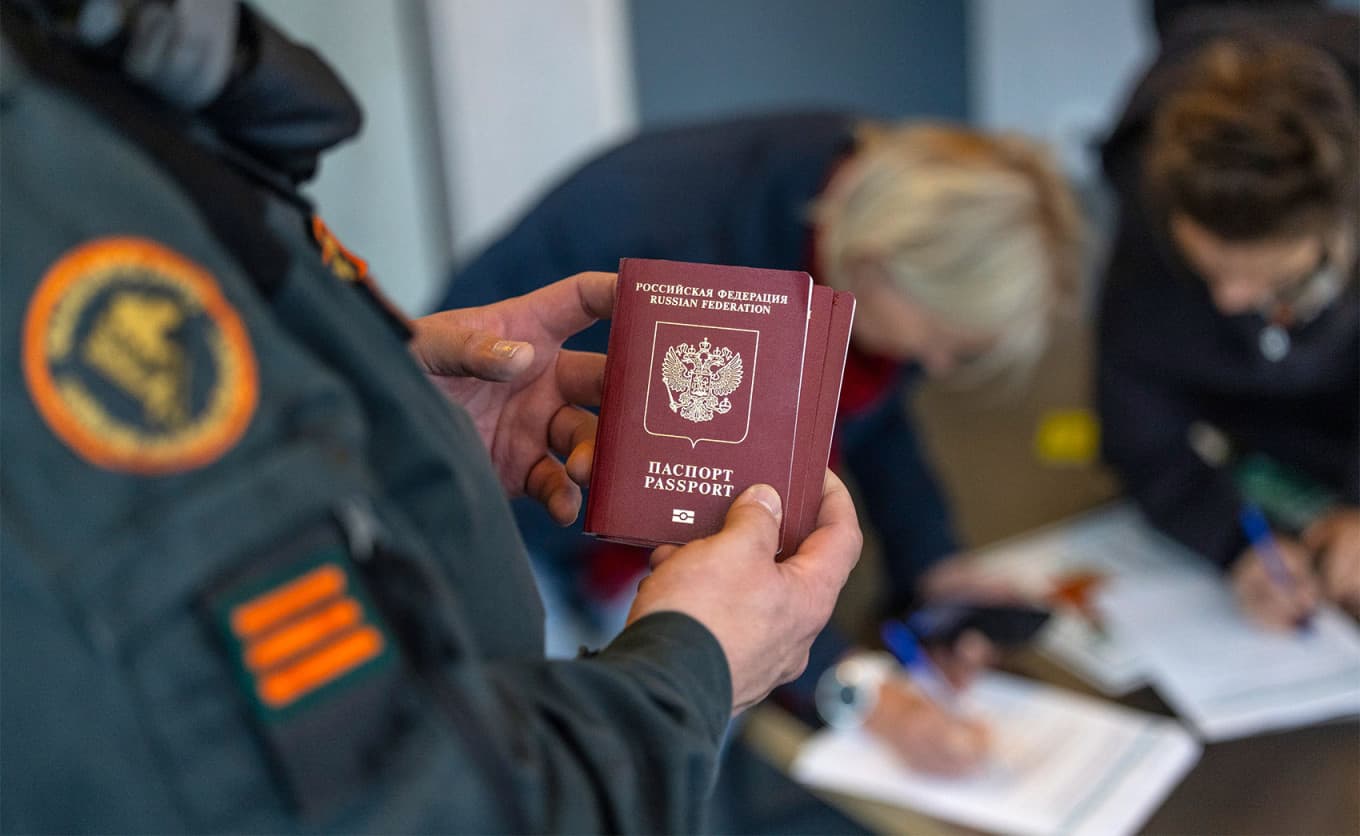
Schengen Bans 5-Year Russian Passports
Schengen states synchronize a ban on 5-year non-biometric Russian passports. Travelers now require 10-year chip-enabled documents for all visa applications and entry.
February 11, 2026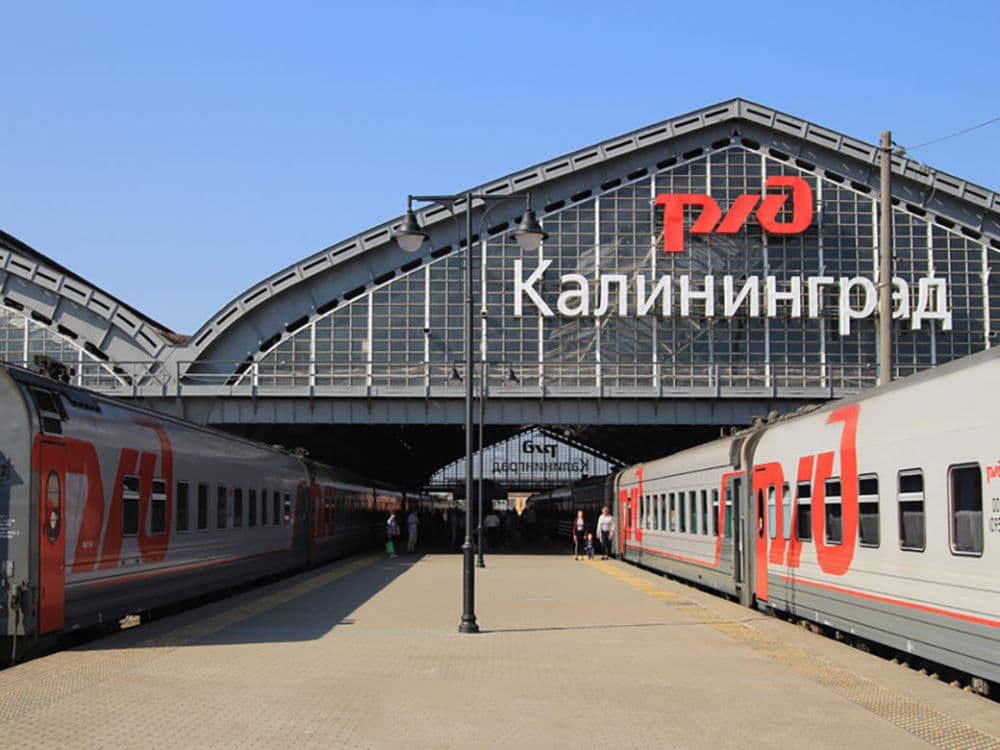
Lithuania to Boost Kaliningrad Train Security
Lithuania seeks EU funding to eliminate security gaps in Kaliningrad rail transit. New high-tech cameras and sensors monitor Russian trains crossing the border.
February 10, 2026
EU Adds Russia to Money Laundering Blacklist
The European Union implements financial oversight as Russia joins the high-risk money laundering blacklist. Banks now enforce enhanced due diligence for all transactions involving Russian entities.
February 4, 2026