
Russia Proposes New Currency and Border Rules for Luxury Travelers

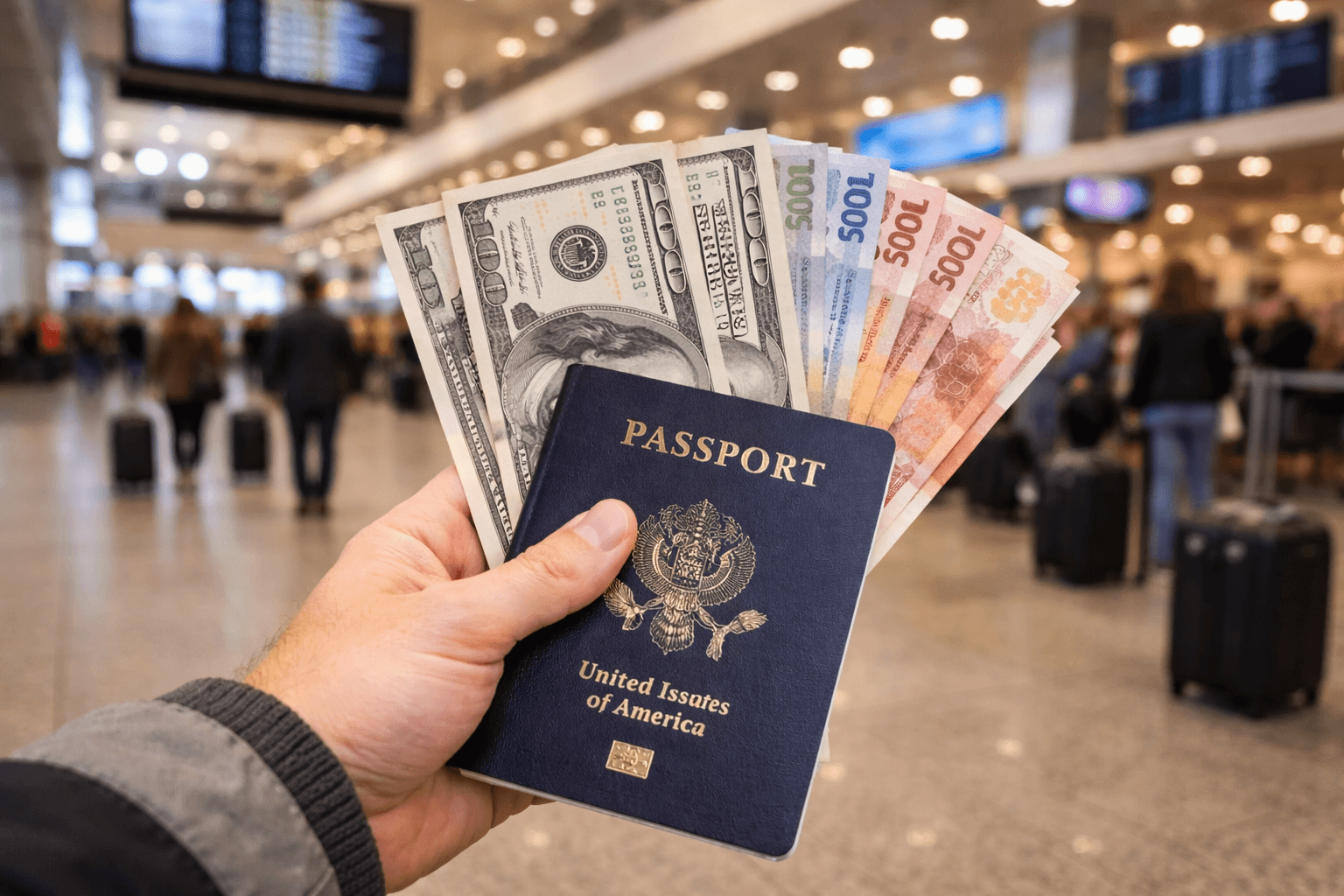
Discover how Russia plans to attract premium travelers by increasing currency limits, improving exchange access, and streamlining border control procedures.
Russia Aims to Welcome High-End Travelers with Proposed Currency and Border Relaxations
Russia’s travel landscape is shifting its focus toward premium markets in Asia and the Middle East. To facilitate this transition, the Association of Tour Operators of Russia (ATOR) has put forward a series of strategic proposals designed to remove financial and administrative friction for international visitors, ensuring that the "premium" experience begins the moment they land.
Raising the Bar: Increasing Currency Entry Limits
Under current regulations, travelers entering Russia can bring up to $10,000 in cash without a formal declaration. While this suffices for the average tourist, ATOR argues it is a significant bottleneck for high-net-worth individuals. Premium travelers from regions like the Middle East and China often prefer the flexibility of cash for luxury accommodations, high-end dining, and exclusive shopping.
The proposal submitted to the Central Bank suggests raising this undeclared limit specifically to cater to this affluent demographic. By allowing more foreign currency to enter the country easily, Russia hopes to capture a larger share of the global luxury travel market, which has seen a surge in interest following the introduction of electronic visas.
Solving the "Banknote Barrier" and Exchange Access
Even when tourists arrive with cash, they often face unexpected hurdles at local banks. ATOR has identified two critical areas where the financial infrastructure is currently failing international guests:
- 24/7 Currency Exchange: Many international flights arrive late at night or in the early hours of the morning. ATOR has requested that the Central Bank recommend at least one round-the-clock exchange point in major tourist hubs to ensure visitors aren't left without local currency upon arrival.
- Acceptance of Used Banknotes: A recurring complaint involves Russian banks refusing to exchange foreign bills that show even minor signs of wear and tear. The association is pushing for clearer, more transparent rules to prevent tourists from being stranded with "unacceptable" cash that is perfectly valid in other global markets.
These measures complement the ongoing rollout of the "Tourist Card," a program allowing foreigners to open a Russian bank account and use the "Mir" payment system. While the card program is a long-term solution to the absence of Visa and Mastercard, improving cash liquidity remains a priority for the immediate future.
Streamlining the Border Experience
Beyond financial logistics, the physical entry process remains a point of contention. Reports of "systemic delays" at passport control have surfaced, with some travelers waiting anywhere from two to eight hours for processing. Such delays can severely damage the country's reputation as a welcoming destination.
To combat this, ATOR is working with the Ministry of Economic Development and the Border Service to establish:
- Maximum Wait-Time Standards: Implementing a regulated timeframe for passport control to ensure efficiency.
- Digital Visa Flexibility: Moving away from the requirement for tourists to present a printed copy of their electronic visa, further digitizing the entry process.
- Enhanced Transparency: Providing tour operators with clearer information regarding the reasons for additional security checks to better manage client expectations.
A Strategic Shift for Russian Tourism
These proposals represent a proactive effort to adapt to the new realities of international travel to Russia. By addressing the specific pain points of high-spending visitors—from the amount of cash they can carry to the time they spend at the airport—Russia is positioning itself as a more accessible and competitive destination for the East and Global South. For the domestic travel industry, these changes could signal a significant boost in revenue and a much-needed modernization of the visitor experience.
Latest News

Duma Proposes Opt-Out for International Calls
Russia updates its anti-fraud bill to allow mobile users a choice in blocking international calls. Landlines face stricter defaults to protect elderly citizens from phone scams.
February 23, 2026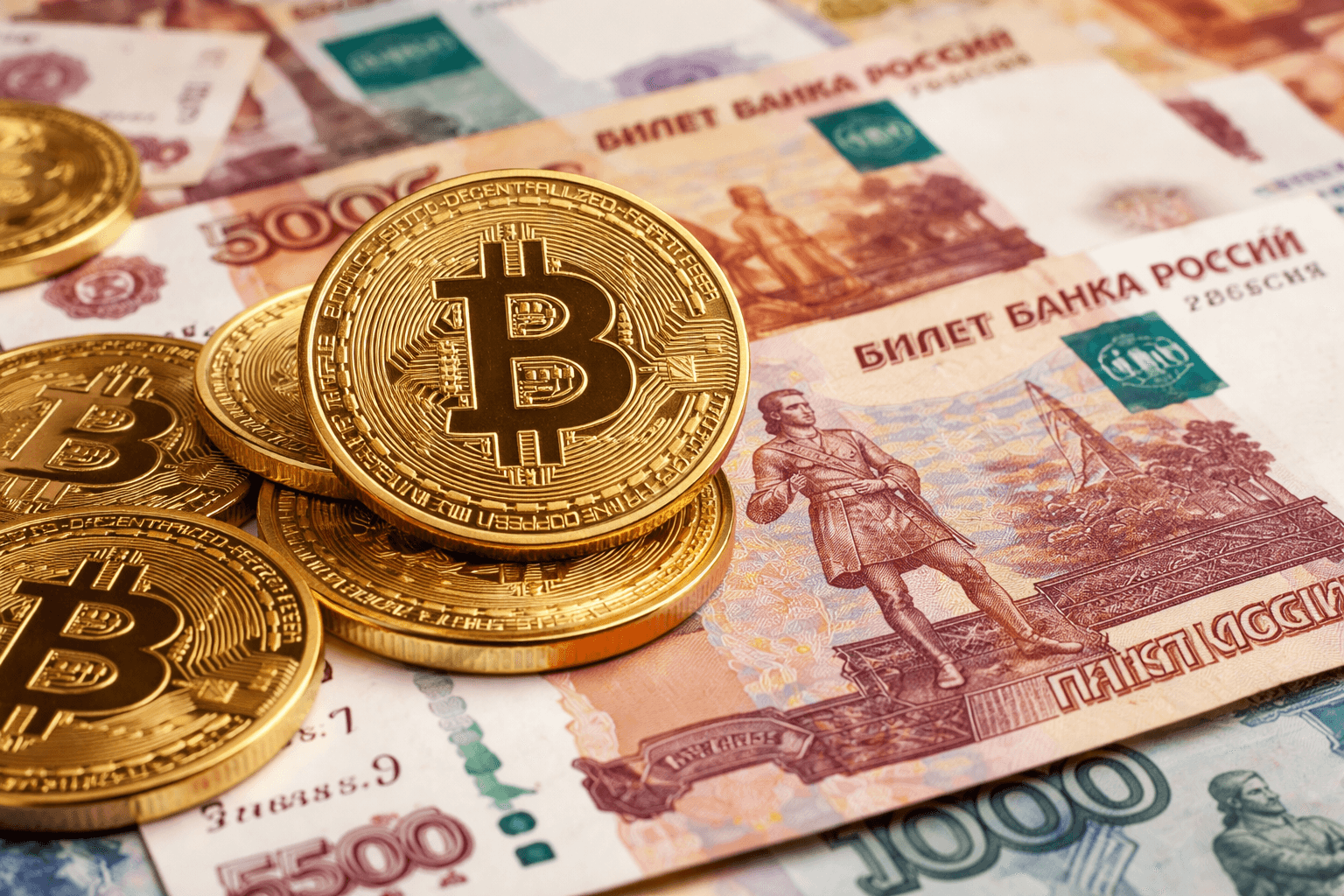
EU Proposes Total Ban on Russian Crypto
The EU moves to block all Russian cryptocurrency transactions. This plan targets digital backdoors used to bypass sanctions. New rules affect exchanges and private wallets.
February 17, 2026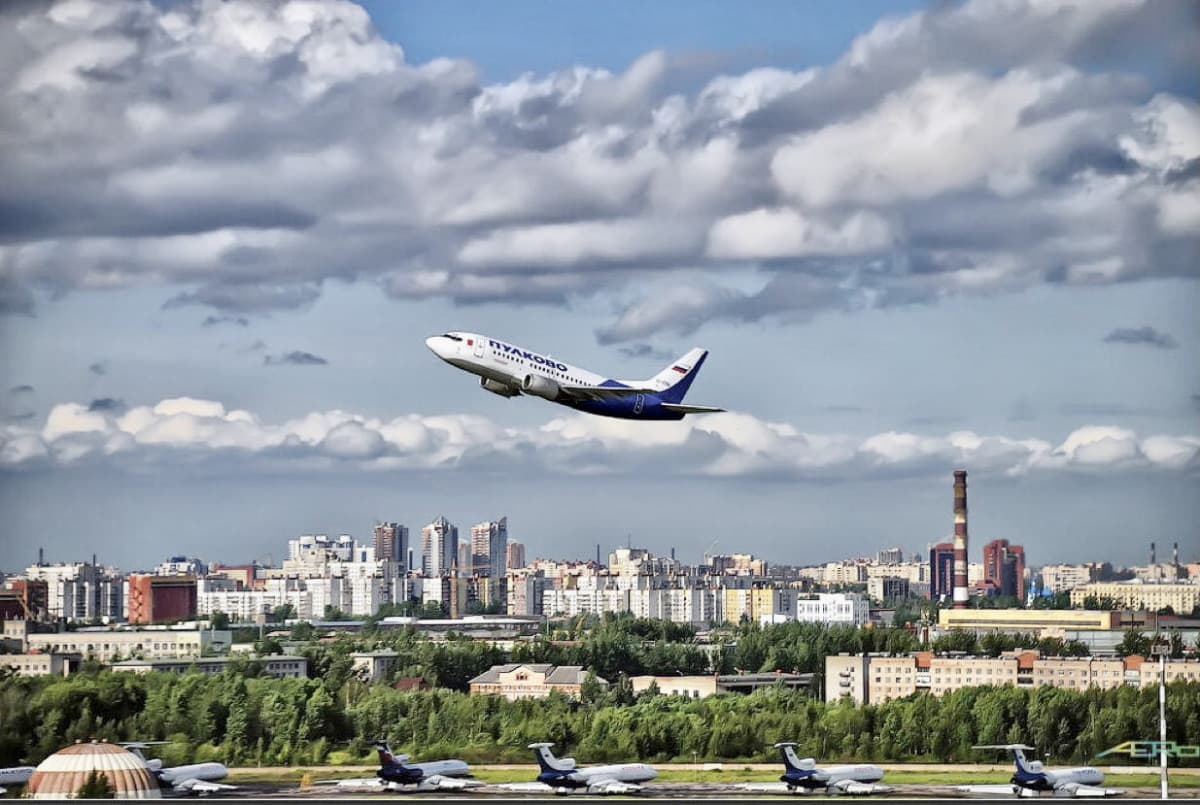
Russia Ready to Resume Direct US Flights
Russia signals its willingness to reopen direct air travel with the United States. Rosaviatsiya demands safety guarantees and the lifting of specific sanctions for flights to return.
February 16, 2026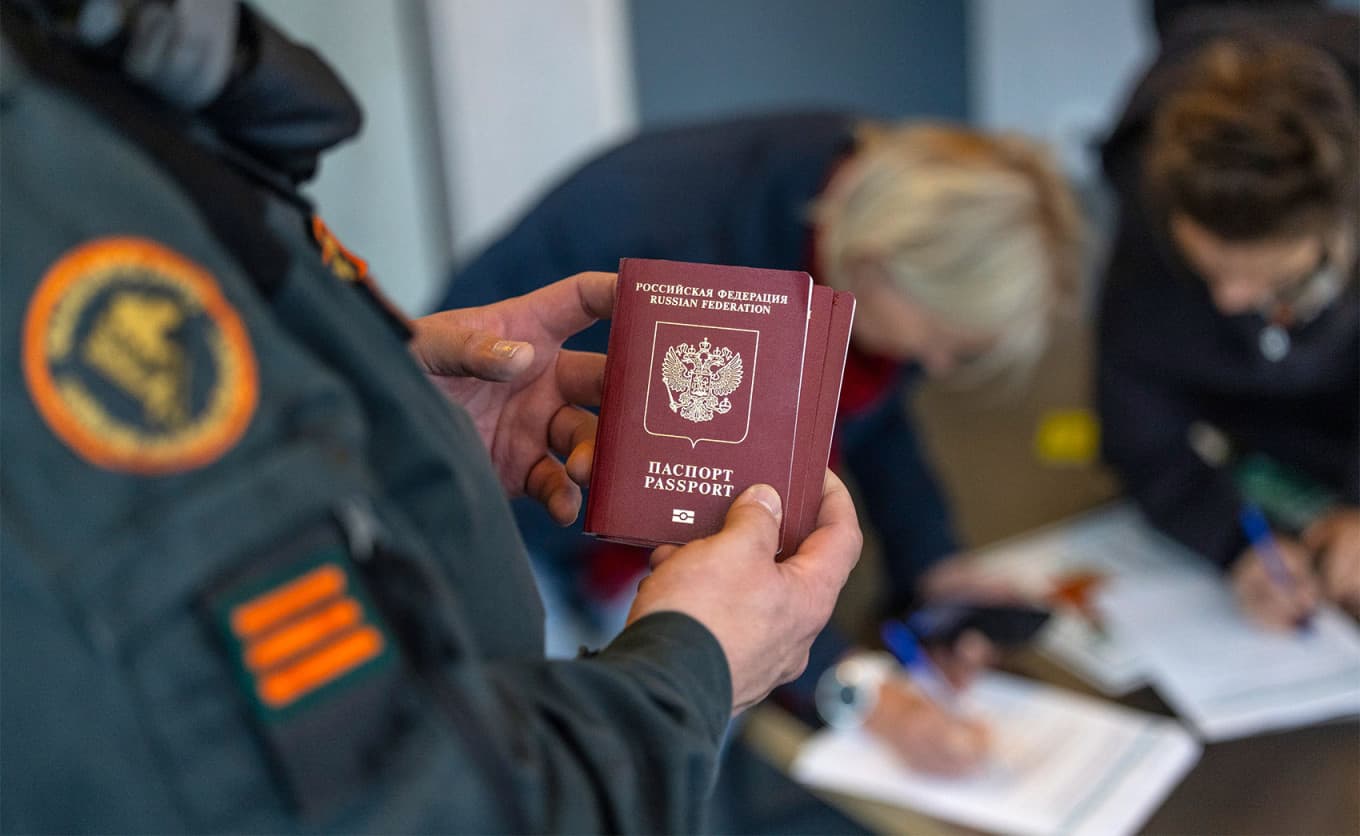
Schengen Bans 5-Year Russian Passports
Schengen states synchronize a ban on 5-year non-biometric Russian passports. Travelers now require 10-year chip-enabled documents for all visa applications and entry.
February 11, 2026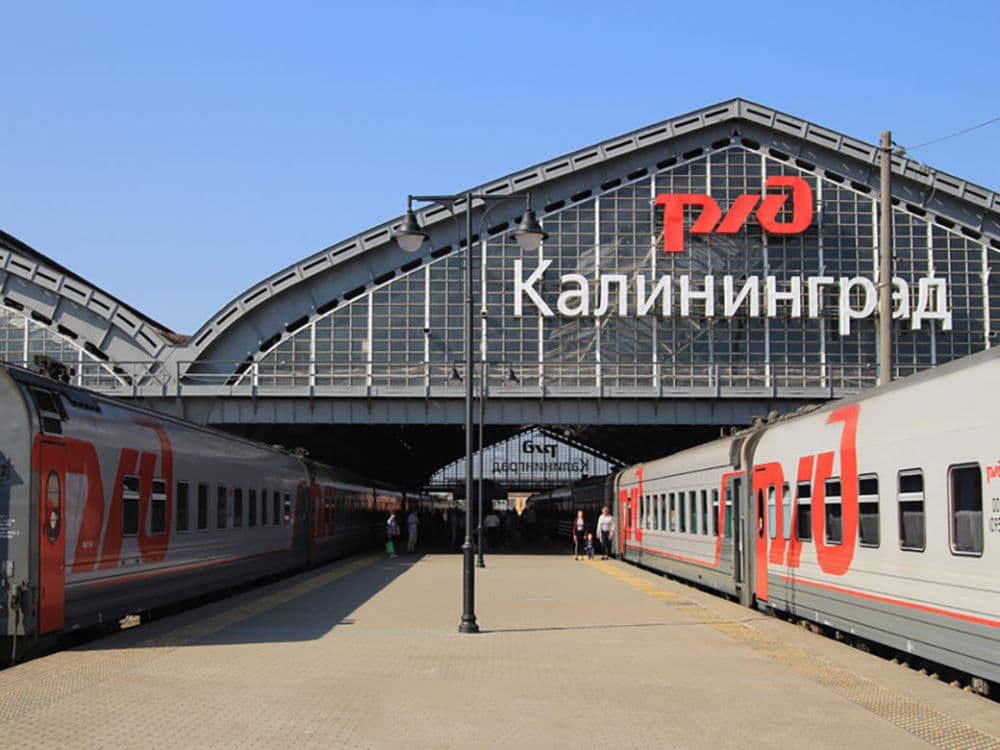
Lithuania to Boost Kaliningrad Train Security
Lithuania seeks EU funding to eliminate security gaps in Kaliningrad rail transit. New high-tech cameras and sensors monitor Russian trains crossing the border.
February 10, 2026
EU Proposes New Sanctions as Peace Deadline Looms
The European Commission targets Russia's energy and finance sectors in a new sanctions wave. This move aligns with a potential June deadline for peace negotiations.
February 7, 2026