
Russia Imposes New Restrictions on Foreign Vehicle Entry

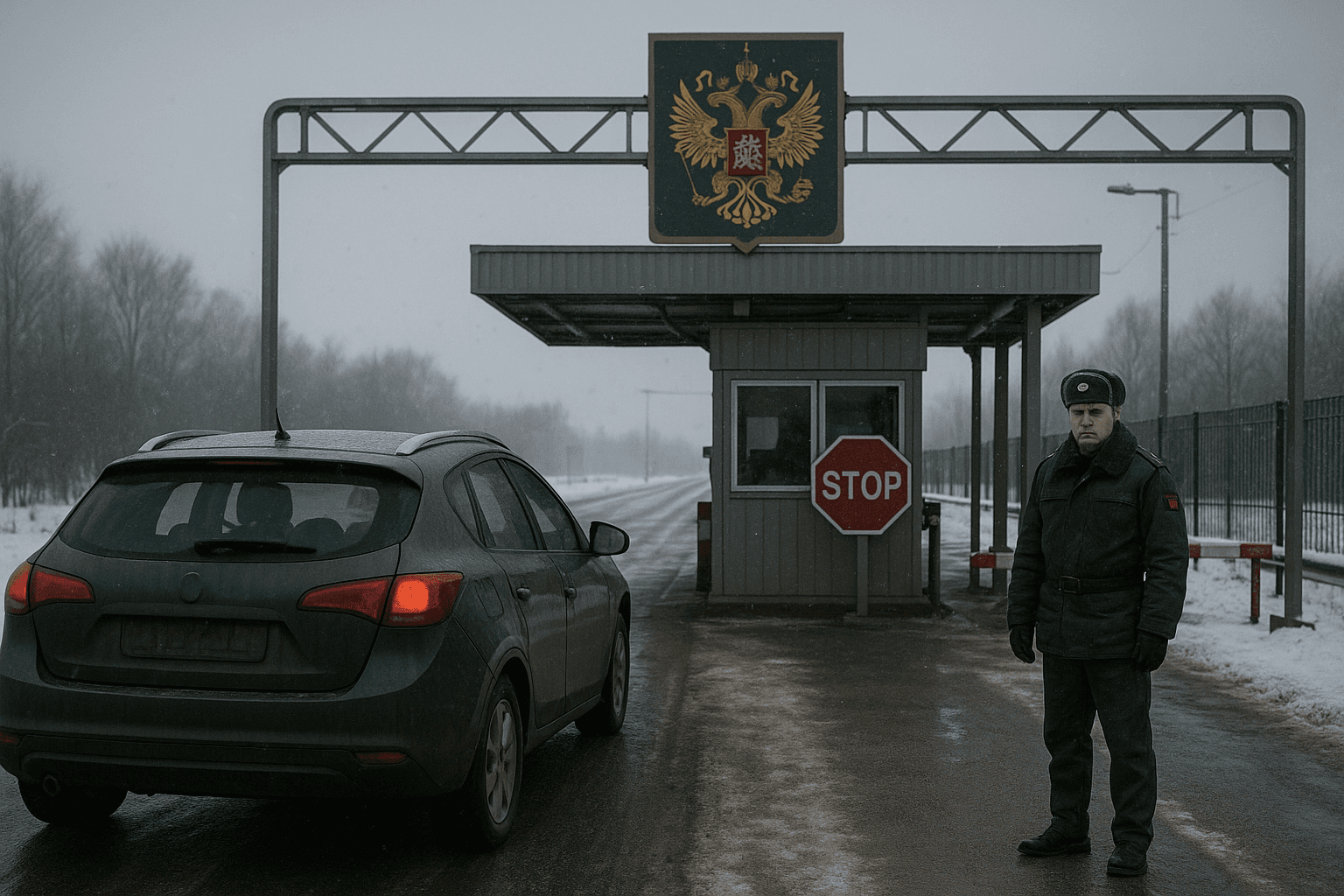
New rules for foreign vehicles entering Russia are now in effect. Travelers should check permitted border crossings and documentation requirements.
New Restrictions Imposed on Foreign Vehicles Entering Russia
Travelers planning to drive into Russia in foreign-registered vehicles should be aware of new, stricter regulations taking effect, particularly affecting vehicles from countries designated as 'unfriendly.' These changes limit entry points and require more comprehensive documentation. The updated rules aim to streamline border control and address security concerns.
Overview
Effective immediately, January 12, 2026, Russia has implemented new restrictions concerning the entry of foreign-registered vehicles. The regulations primarily target vehicles registered in countries that Russia has classified as 'unfriendly.' These new rules impact which border crossings are permitted for entry and the required documentation. Reports indicate these changes are designed to enhance border security and manage the flow of traffic.
Impact on Travelers
The updated regulations will significantly affect travelers planning to enter Russia with their own vehicles. The most critical change is the limitation of permitted border crossing points. Travelers from 'unfriendly' countries will no longer be able to enter through all border crossings, potentially requiring significant detours. Furthermore, expect increased scrutiny of vehicle documentation. This may include, but is not limited to, vehicle registration, insurance, and proof of ownership. Delays at the border are possible as officials adjust to the new procedures.
Key Details
The new restrictions focus on the following:
- Restricted Border Crossings: Vehicles registered in 'unfriendly' countries are now limited to specific entry points. The exact list of designated border crossings has not been publicly released, but travelers should confirm permitted entry points with Russian border authorities or embassies before travel.
- Enhanced Documentation Requirements: Expect a more thorough review of all vehicle-related documents. This includes the original vehicle registration certificate, a valid international driving permit (if required), and proof of insurance valid in Russia.
- 'Unfriendly' Country Designation: The specific list of countries designated as 'unfriendly' is subject to change. Travelers should consult official Russian government sources to determine if their vehicle's country of registration is affected.
- Potential for Delays: Due to the new procedures and increased scrutiny, travelers should anticipate potential delays at the border.
Background
These new regulations follow increased scrutiny of vehicles entering Russia from abroad. Officials have stated that the changes are necessary to improve border security and prevent the import of prohibited goods. The regulations also aim to ensure compliance with existing customs and vehicle registration laws.
What This Means
These changes mean that careful pre-trip planning is now essential for anyone planning to drive a foreign-registered vehicle into Russia. Contacting the Russian embassy or consulate in your country for the most up-to-date information on permitted border crossings and required documentation is strongly advised. Failure to comply with the new regulations could result in denied entry or significant delays at the border.
In conclusion, travelers planning to drive into Russia should be aware of these new restrictions and take proactive steps to ensure they meet all the requirements. Detailed planning and verification of entry requirements are crucial to avoid complications at the border.
Latest News


Duma Proposes Opt-Out for International Calls
Russia updates its anti-fraud bill to allow mobile users a choice in blocking international calls. Landlines face stricter defaults to protect elderly citizens from phone scams.
February 23, 2026
EU Proposes Total Ban on Russian Crypto
The EU moves to block all Russian cryptocurrency transactions. This plan targets digital backdoors used to bypass sanctions. New rules affect exchanges and private wallets.
February 17, 2026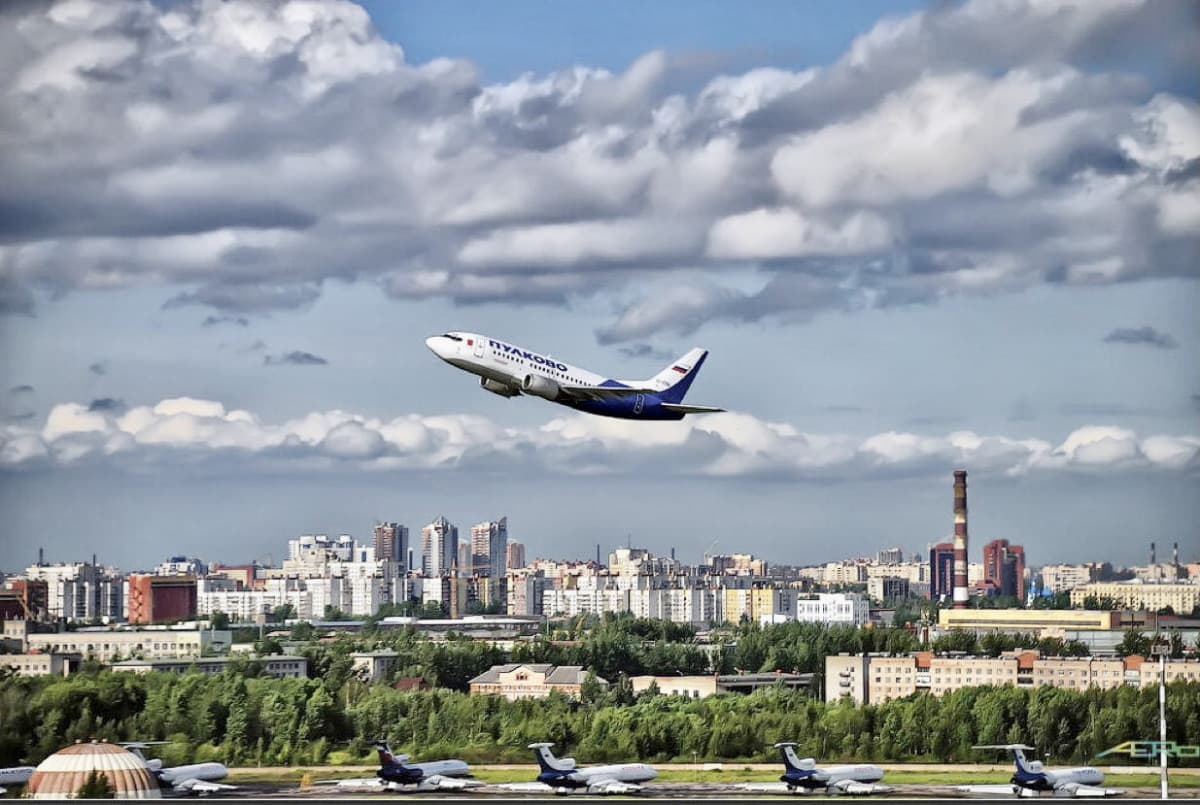
Russia Ready to Resume Direct US Flights
Russia signals its willingness to reopen direct air travel with the United States. Rosaviatsiya demands safety guarantees and the lifting of specific sanctions for flights to return.
February 16, 2026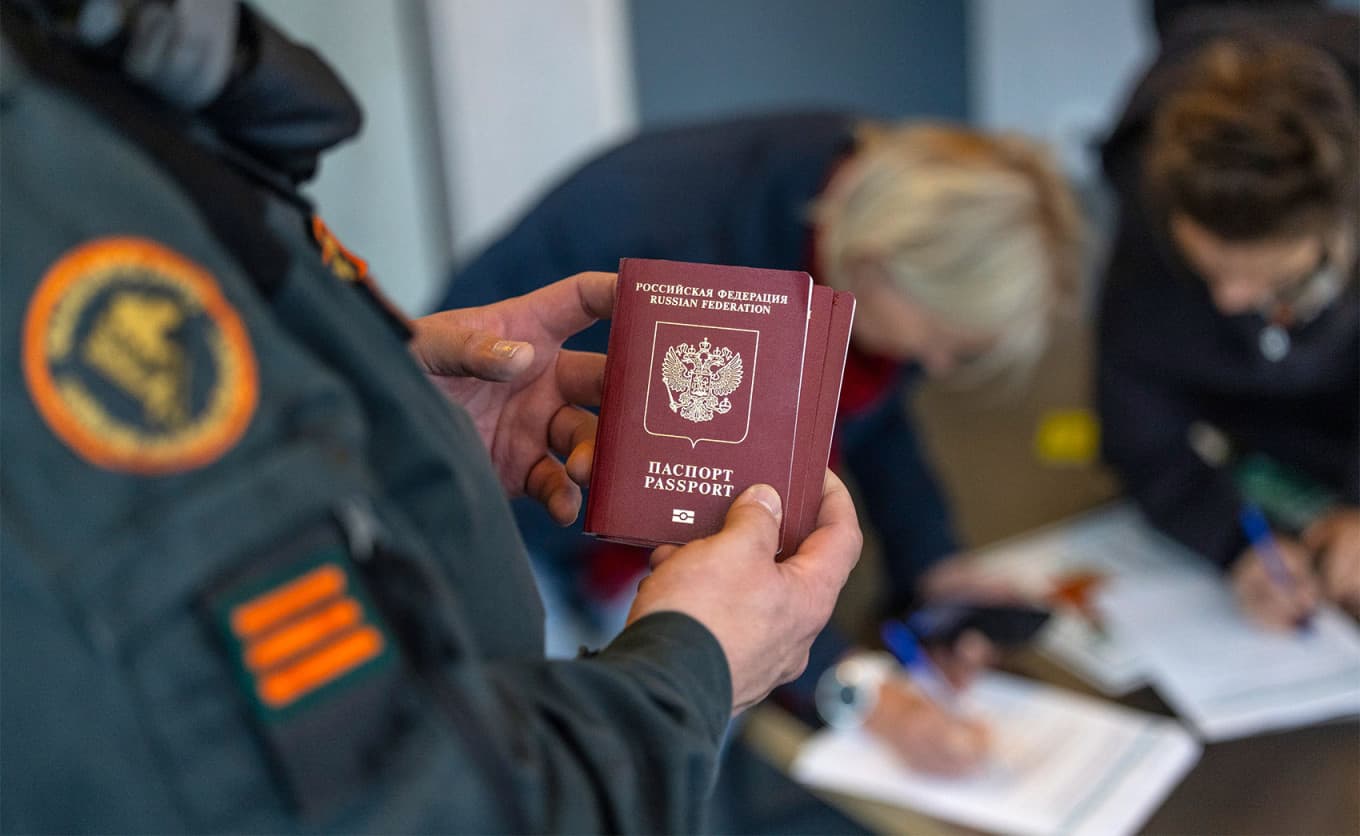
Schengen Bans 5-Year Russian Passports
Schengen states synchronize a ban on 5-year non-biometric Russian passports. Travelers now require 10-year chip-enabled documents for all visa applications and entry.
February 11, 2026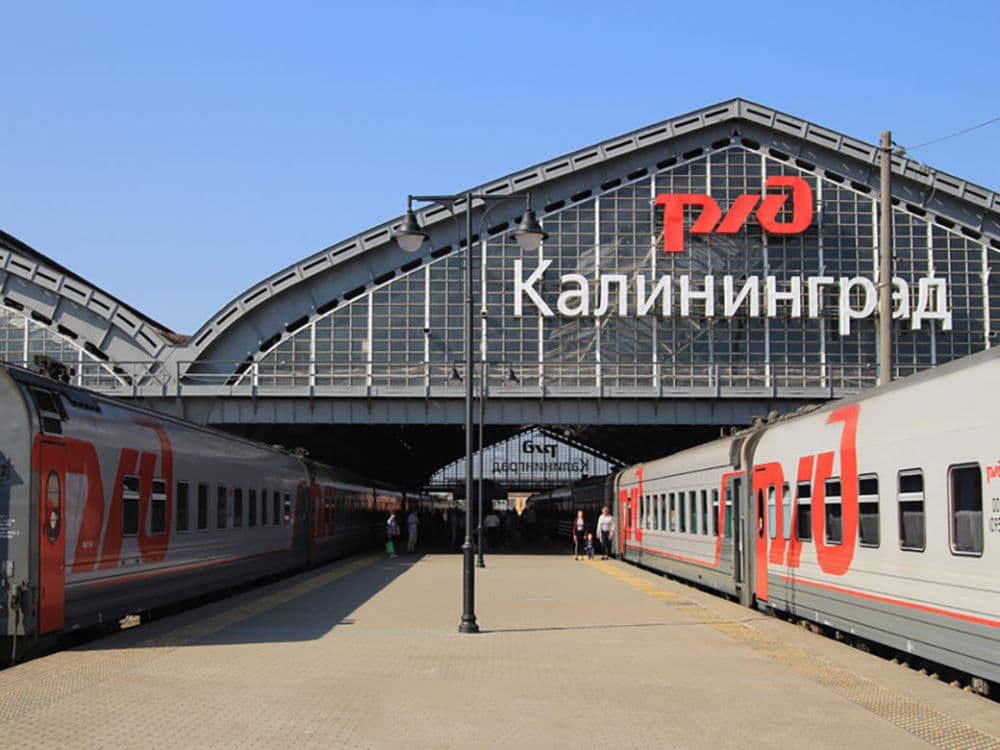
Lithuania to Boost Kaliningrad Train Security
Lithuania seeks EU funding to eliminate security gaps in Kaliningrad rail transit. New high-tech cameras and sensors monitor Russian trains crossing the border.
February 10, 2026
EU Proposes New Sanctions as Peace Deadline Looms
The European Commission targets Russia's energy and finance sectors in a new sanctions wave. This move aligns with a potential June deadline for peace negotiations.
February 7, 2026