
EES Full Enforcement: Russian Passport Rejections Begin


EU's EES fully enforced! Russian citizens with non-biometric passports face Schengen Area entry rejections. Check your travel documents now!
EES Full Enforcement: Non-Biometric Russian Passport Rejections Begin
The European Union's Entry/Exit System (EES) is now fully enforcing its regulations, resulting in the rejection of Russian citizens attempting to enter the Schengen Area with 5-year (non-biometric) passports. This change, effective as of today, significantly impacts Russian travelers who previously relied on these passports for entry via alternative routes.
What Happened
As of January 27, 2026, the EU Entry/Exit System (EES) has begun strictly enforcing its regulations regarding passport types for entry into the Schengen Area. This means that Russian citizens presenting 5-year, non-biometric passports are now being denied entry at border crossings. This enforcement impacts travel even through countries that previously served as transit points, such as Turkey and Serbia.
Impact on Travelers
The full enforcement of the EES has a direct and significant impact on Russian citizens intending to travel to the Schengen Area. Specifically:
- Rejection at Border Crossings: Russian citizens holding 5-year, non-biometric passports will be denied entry into the Schengen Area.
- Disruption of Travel Plans: Travelers who have already booked flights and accommodation based on the assumption that their non-biometric passports would be accepted face significant disruption to their travel plans.
- Increased Demand for Biometric Passports: This change is likely to increase demand for the 10-year biometric passports, potentially leading to delays in processing times.
- Impact on Transit Routes: The closure of previously viable transit routes through countries like Turkey and Serbia means travelers can no longer bypass direct entry requirements.
Key Details
The core issue revolves around the type of passport accepted under the EES regulations. The regulation specifies that:
- Only 10-year biometric passports are now accepted for entry into the Schengen Area for Russian citizens.
- The 5-year (non-biometric) passports, previously sometimes accepted, are no longer valid for entry under the EES.
- The EU's Entry/Exit System (EES) is an automated IT system for registering travelers from non-EU countries each time they cross an EU external border. It registers the person's name, type of travel document, biometric data (fingerprints and facial images) and the date and place of entry and exit.
Background
The EU's Entry/Exit System (EES) was designed to improve border management, enhance security, and streamline the entry process for non-EU citizens. The implementation of the EES has been phased, with full enforcement regarding passport types now in effect. Reports indicate that a transition period existed where non-biometric passports were sometimes accepted, but this is no longer the case.
What This Means
This development represents a significant tightening of border controls for Russian citizens traveling to the Schengen Area. It is crucial for travelers to verify the validity of their travel documents before commencing their journey. Russian citizens planning to travel to the EU should ensure they possess a valid 10-year biometric passport to avoid being denied entry. The regulation is now being strictly enforced, and there is little recourse at the border if a non-compliant passport is presented.
In conclusion, the full enforcement of the EES and the rejection of non-biometric Russian passports marks a notable shift in EU border policy. Russian citizens intending to travel to the Schengen Area must ensure they possess the required 10-year biometric passport to avoid travel disruptions.
Latest News


Duma Proposes Opt-Out for International Calls
Russia updates its anti-fraud bill to allow mobile users a choice in blocking international calls. Landlines face stricter defaults to protect elderly citizens from phone scams.
February 23, 2026
EU Proposes Total Ban on Russian Crypto
The EU moves to block all Russian cryptocurrency transactions. This plan targets digital backdoors used to bypass sanctions. New rules affect exchanges and private wallets.
February 17, 2026
Russia Ready to Resume Direct US Flights
Russia signals its willingness to reopen direct air travel with the United States. Rosaviatsiya demands safety guarantees and the lifting of specific sanctions for flights to return.
February 16, 2026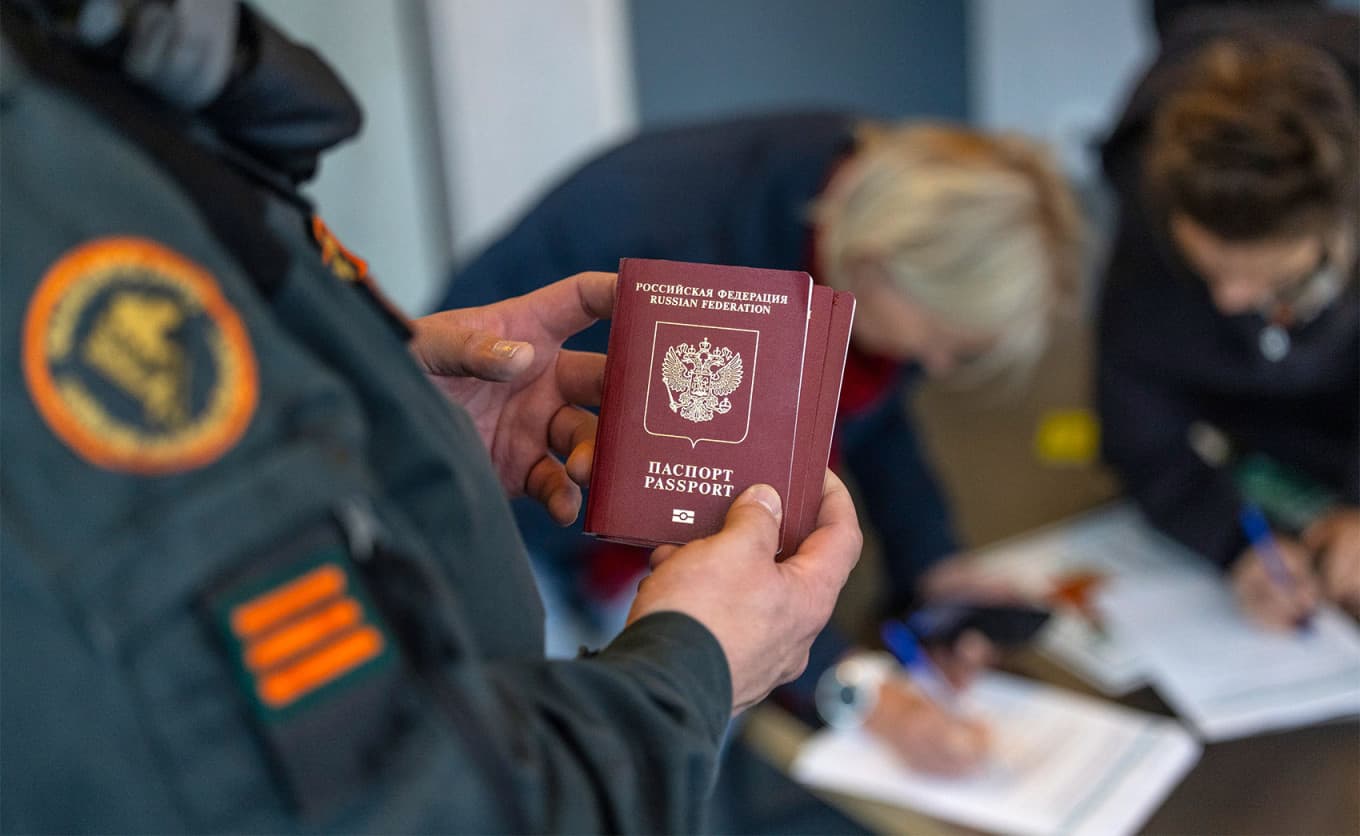
Schengen Bans 5-Year Russian Passports
Schengen states synchronize a ban on 5-year non-biometric Russian passports. Travelers now require 10-year chip-enabled documents for all visa applications and entry.
February 11, 2026
Lithuania to Boost Kaliningrad Train Security
Lithuania seeks EU funding to eliminate security gaps in Kaliningrad rail transit. New high-tech cameras and sensors monitor Russian trains crossing the border.
February 10, 2026
EU Proposes New Sanctions as Peace Deadline Looms
The European Commission targets Russia's energy and finance sectors in a new sanctions wave. This move aligns with a potential June deadline for peace negotiations.
February 7, 2026